A furnace gas valve is one of the most important components inside your heating system, even though it is not something most homeowners think about on a daily basis. It controls the flow of natural gas into the burners, which is what ultimately creates the heat that warms your home. When everything is working properly, the process feels automatic and seamless. You adjust the thermostat, the furnace kicks in, and warm air starts circulating through the house without any noticeable issues.
When the gas valve begins to malfunction, the entire heating process can become unreliable. You might notice inconsistent heat, delayed ignition, or even a complete lack of warmth coming from your vents. These changes often start small and gradually become more noticeable over time. Knowing what to look for can help you act early and avoid more serious furnace problems that may require urgent repair or system replacement.
What a Furnace Gas Valve Does in Your Heating System
The gas valve serves as the controlled entry point for natural gas into your furnace. When your thermostat signals that your home has reached a lower temperature than desired, the furnace control board sends an electrical signal to open the gas valve. Once open, gas flows into the burner assembly where it is ignited, producing the heat that is then pushed through your duct system and into your living spaces.
After the heating cycle is complete and the thermostat detects that the set temperature has been reached, the control system signals the gas valve to close. This stops the flow of gas and allows the furnace to shut down safely until it is needed again. This cycle repeats throughout the day, especially during colder weather, which means the valve must function accurately and consistently to maintain comfort and safety.
Early Warning Signs of a Malfunctioning Gas Valve
One of the most common early signs of a gas valve problem is when the furnace appears to run normally but does not produce heat. You may hear the blower fan turning on, but the air coming out of the vents remains cool. This often indicates that gas is not reaching the burners, even though the system is attempting to start.
Another warning sign is repeated ignition attempts without success. The furnace may click several times as it tries to light, but the burners never fully ignite. You may also notice short cycling, where the furnace turns on and off more frequently than usual, or uneven heating where some rooms feel warmer than others. In more serious situations, a faint gas smell near the furnace may appear, which should always be treated with caution.
Safe Checks You Can Do at Home
Before assuming the gas valve is faulty, it is important to check a few basic and safe areas of your system. Start by reviewing your thermostat settings to ensure it is set to heat mode and that the temperature is set higher than the current room temperature. Sometimes simple issues like incorrect settings, dead batteries, or accidental changes can make it seem like the furnace is failing.
Next, check that the furnace has power. Confirm that the furnace switch is turned on and that the circuit breaker has not tripped. You should also check the gas shutoff valve located near the furnace to ensure it is fully open. If any of these basic settings are off, the furnace may not operate correctly even if the gas valve itself is in good condition.
Why Gas Valve Problems Happen
Gas valve problems often develop slowly over time due to normal wear and tear. Inside the valve are small mechanical and electrical components that must respond precisely to signals from the furnace control board. As the system ages, these components can become less responsive, leading to delayed opening, incomplete closure, or inconsistent gas flow.
Environmental factors can also contribute to issues. Dust buildup inside the furnace, vibration from regular operation, and general aging of internal parts can all affect performance. Electrical communication problems between the control board and gas valve may also cause the valve to misfire or fail to open at the correct time, leading to heating interruptions.
When to Seek Professional Furnace Help
If basic checks do not resolve the issue and your furnace continues to struggle, it is important to stop troubleshooting and seek professional help. Gas systems involve safety risks, and diagnosing a gas valve properly requires specialized tools and training. Attempting repairs without experience can lead to unsafe conditions or further damage to the system.
In situations where heating is inconsistent, ignition keeps failing, or a gas smell is present, contacting a technician who offers furnace repair in Auburn WA is the safest step. Homeowners often turn to professionals to identify whether the gas valve is the actual cause or if another part of the system is responsible for the issue. A trained technician can perform accurate testing and recommend the correct solution.
How to Prevent Future Gas Valve Issues
Regular maintenance plays a major role in preventing gas valve problems. During scheduled furnace inspections, technicians clean internal components, check electrical connections, and test gas pressure levels. This helps ensure that the system is operating within safe and proper conditions before colder weather increases demand.
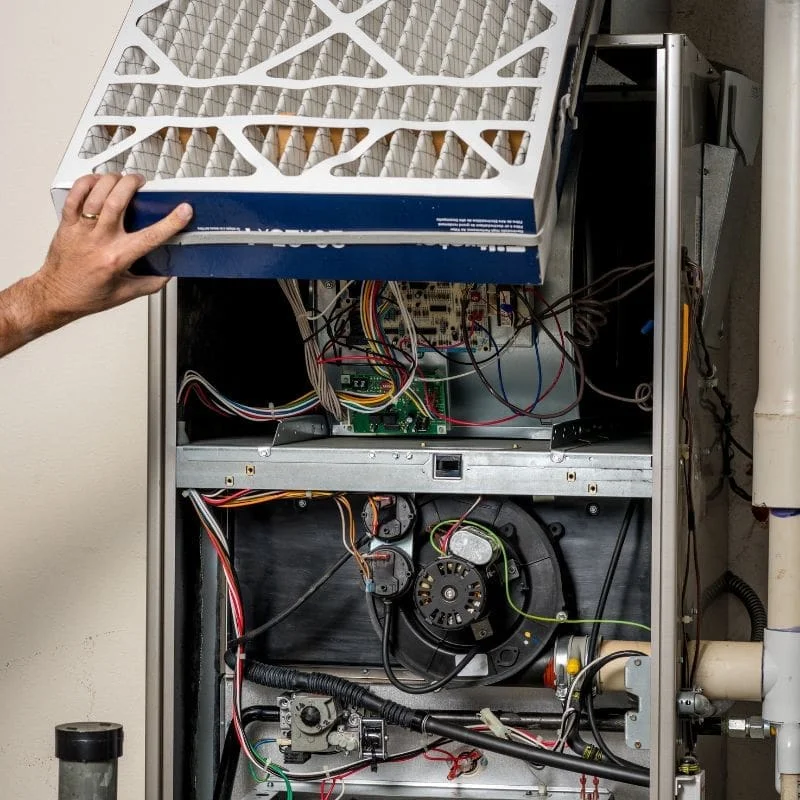
Another simple but important step is changing your air filter regularly. A clogged filter can restrict airflow, forcing the furnace to work harder than necessary. Over time, this added strain can affect multiple components, including the gas valve. Keeping the system clean and well maintained helps reduce unnecessary wear and supports long term reliability.
A malfunctioning gas valve can affect your entire home heating experience, often starting with subtle signs like weak heating or inconsistent furnace cycles. These early symptoms should not be ignored, as they can gradually develop into more serious issues that impact comfort and system performance.
While homeowners can safely perform basic checks, deeper furnace issues should always be handled by trained professionals. With timely attention and proper maintenance, your heating system can continue operating safely and efficiently, keeping your home comfortable throughout the colder seasons. If you want to learn more, visit https://www.essentialheatandac.com/.
Loud rattling noises when your furnace starts can be alarming. They could point to several issues that need attention, such as loose parts or motor problems. These sounds are often a sign that something isn’t right. If you’re unsure about the source of the noise, it’s best to have a professional inspect the system. If you need assistance, contact a trusted team that servicesHVAC in Seattle for a thorough checkup. Taking action early can prevent bigger issues down the line and help your furnace run smoothly throughout the colder months.
Common Causes of Rattling Noises in Furnaces
Loose or Damaged Parts
Rattling noises in your furnace often happen due to loose or damaged parts. These parts can shift or vibrate when the furnace runs, causing disturbing sounds. Blower fans, access panels, screws, and other components can become loose over time.
As these parts wear down, they may shift out of place, causing rattling. Tightening bolts or screws is usually an easy fix. If any part is severely damaged, it may need to be replaced. Inspecting parts regularly helps avoid bigger problems. A well-maintained furnace runs quietly and is less likely to break down unexpectedly.
Faulty Blower Fan
A faulty blower fan is another common reason for rattling noises. The fan moves air through the furnace and ducts to heat your home. If the fan blades are dirty, misaligned, or broken, they may cause noise. Dust and debris buildup on the fan blades can also result in rattling sounds.
You might also hear the fan struggling if the motor is failing. Cleaning the fan blades and checking for misalignment can often resolve the issue. Taking care of the blower fan will help your furnace run more smoothly and prevent further damage.
How to Fix a Rattling Furnace
Tighten Loose Parts
If your furnace makes rattling noises, start by checking for loose parts. Over time, components like the blower fan, access panels, and screws can loosen. These loose parts shift or vibrate when the furnace runs, causing noise. Tightening the screws and bolts is an easy fix.
You can do this with basic tools. Inspect all parts carefully to make sure they are secured properly. Checking for loose parts can stop these annoying noises. It also helps prevent bigger issues. A well-secured furnace works quietly, runs efficiently, and avoids costly repairs. Keeping it in good condition is key to smooth operation.
Replace Worn-out Components
Worn-out components are another common cause of rattling sounds in furnaces. Over time, parts like the blower fan or motor may become damaged or worn down. As these components degrade, they can create unusual noises when they function. If a part is broken or too worn, replacing it is the best solution.
This improves the furnace’s performance and eliminates the rattling noise. Inspecting parts helps catch worn components early. Replacing them before they break can save you from costly repairs later. Keeping the parts in good condition helps your furnace run smoothly and last longer.
When to Call a Professional for Furnace Repairs
Persistent Rattling Sounds
If rattling noises continue even after tightening loose parts, it may be time to call a professional. Persistent rattling sounds can indicate deeper issues, such as a malfunctioning motor, broken fan blades, or other serious damage. If the noise doesn’t go away after you’ve fixed the obvious causes, it’s best to have a technician inspect your furnace.
Ignoring these sounds could lead to further damage or even a complete system failure. A professional can quickly identify the source, fix the problem, and help you avoid costly repairs. Don’t wait for the problem to worsen.
Other Performance Issues
If your furnace is showing signs of poor performance, it’s time to call in a professional. Problems like uneven heating, short cycling, or strange smells can indicate something isn’t right. These issues might be caused by dirty filters, worn-out components, or other internal problems.
Trying to fix these yourself may worsen the situation or cause further delays. A professional can diagnose the issue quickly and provide a safe, effective solution. Acting fast can help prevent additional damage. Don’t risk more repairs or a breakdown. A professional will restore your furnace to proper working order.
Regular Furnace Maintenance to Prevent Noises
Keep Vents and Ducts Clean
Cleaning your vents and ducts is an effective way to prevent rattling noises in your furnace. Over time, dust, dirt, and debris can build up in the ducts. This blocks airflow, making your furnace work harder. When airflow is restricted, it can cause rattling sounds.
Regular cleaning helps your furnace run smoothly and prevents these noises. It also stops dust from circulating through your home. A clean furnace system works more efficiently and lasts longer. Proper maintenance of the ducts will reduce the need for repairs and save you money in the long run.
Schedule Annual Inspections
Scheduling an annual inspection for your furnace helps catch issues before they turn into bigger problems. A technician can check for issues like worn parts, dirt buildup, and loose components. They can also clean and lubricate moving parts, which helps reduce noise.
Catching these problems early can save you money on expensive repairs later. Annual inspections also help your furnace run more efficiently, improving its lifespan. Don’t wait for your furnace to make noise before calling for help. Get a professional to inspect your system every year to keep it working smoothly.
Furnace Repairs You Shouldn’t Delay
Addressing Rattling Early
When your furnace starts making rattling noises, it’s important to address the issue as soon as possible. Delaying repairs can cause the problem to worsen and lead to more expensive fixes later. A simple rattling sound could be a sign of loose parts or a worn-out motor.
If left unchecked, these issues can damage other components of your furnace. By acting early, you can prevent bigger problems from developing and avoid the need for costly repairs. Don’t wait for the noise to get worse. Fixing it early can save you time, money, and frustration.
Dealing with Other Furnace Noises
Aside from rattling, your furnace may make other noises like whining, banging, or humming. Each of these sounds can indicate different problems. A whining noise could mean there’s a problem with the blower fan, while a banging sound may suggest issues with the ductwork.
If your furnace is making any unusual noises, it’s important to have it checked out right away. Ignoring these sounds could lead to further damage and higher repair costs. Taking care of problems early will help your furnace run smoothly and keep it functioning properly for years.
Call Essential Heating and Air for Fast Furnace Repairs
Unusual furnace noises need immediate attention. Ignoring rattling sounds can lead to more costly repairs and breakdowns. Loose parts, worn-out components, or motor issues could be the cause. Early detection and repair prevent further damage and keep your furnace running efficiently.
If the noise continues, it’s best to consult a professional to avoid complications. Reach out to our team at Essential Heating and Air at 1520 14th St NW Unit A, Auburn, WA 98001, or call (253) 576-7251 for fast, reliable furnace repairs. We’re here to make sure your furnace runs like new and keeps your home comfortable all year.
Having a reliable furnace is an important part of maintaining a comfortable home. However, recognizing and responding to potential warning signs of furnace malfunction can avoid costly repairs and prevent the risk of damage caused by neglecting maintenance. This introduction will discuss the importance of recognizing warning signs from your home’s furnace, the consequences of ignoring these red flags, DIY troubleshooting methods, and when to call a professional for further repair.
Recognizing Warning Signs From Your Home’s Furnace
Identifying potential warning signs from your home’s furnace is an important step to maintaining a healthy and safe living space. A furnace is an appliance that can give you serious problems if not looked after and updated as needed. Therefore, it’s important to know how to recognize warning signs in order to make sure your system is in good condition and operating safely.
The first thing to look out for is an increase in gas or electric bills. If there seems to be an unexplained spike in either of your bills, it may be a sign that your furnace is malfunctioning and needs to be serviced immediately. Additionally, watch out for any strange sounds coming from your heating or air conditioning system. This can be a sign of an issue with your furnace, such as fan bearings that need to be replaced.
If you notice difficulty when trying to control your thermostat, it could be a sign of a failing furnace. This symptom may come in the form of difficulty in getting the temperature to where you want it or having to adjust it multiple times just for it to stay in place. If this is happening, it is best to have a qualified professional take a look at the unit and diagnose what the cause might be.
Finally, an unmistakable warning sign of an issue with your furnace is dust, debris, or even soot beginning to build up around it. This debris can form as a result of the motor not running properly or from the lack of maintenance. Pay special attention to any accumulation of dust, as you may need to consider replacing your filter or have some other repair made.
Overall, it’s important to pay attention to the warning signs that your furnace provides so that you can quickly address small issues before they become larger and costlier problems. If you are ever unsure about the health of your furnace, consult a licensed technician to come and make an assessment.
The Consequences of Ignoring Furnace Red Flags
Ignoring the red flags related to your furnace can have serious consequences, from higher energy bills and costly fixes to an unsafe indoor environment. Therefore, it is important to monitor your furnace and address any problems early on.
One of the most common red flags that should not be ignored is frequent cycling of the unit. If your furnace frequently turns off and on, that is a sign that something is wrong. This issue can be caused by an oversized furnace, a dirty filter, blower issues, or insufficient return air. A technician can diagnose the issue and make the necessary repairs.
In addition, you should keep an eye out for odd noises coming from your furnace. This could be a sign of a broken fan belt or a pump belt. Similarly, a scent of gas or smoke coming from your furnace is an unacceptable red flag and should be addressed right away. An experienced technician should be called in to repair any gas problems for safety reasons.
If your furnace does not seem to be generating enough heat, that is a sign that something is wrong. This can be caused by a variety of issues, from a failed ignition to that of a dirty air filter. Most of these repairs are relatively straightforward and should be conducted quickly to improve comfort levels and reduce energy bills.
On the other hand, regular maintenance is the best way to prevent the need for such repairs. At least once per year, you should have a technician inspect your furnace, clean the unit, and lubricate moving parts. Doing so can help to identify any smaller problems before they cause bigger issues.
Consequently, it is important to address any furnace red flags that arise. Doing this can help to reduce energy bills, and more importantly, make sure that your indoor environment is safe. If you notice anything unusual, have your furnace inspected as soon as possible by a qualified technician.
DIY Troubleshooting for Furnace Issues
To address furnace issues, some homeowners choose to attempt DIY troubleshooting. Initially, it is essential that once an issue is discovered, the homeowner shut down the furnace and all connected components to eliminate the risk of a potential electrical shock. For instance, turn off the furnace at the power switch, the thermostat, and the breaker panel. When wrenching is needed, it is important to always use the proper size tools to avoid damaging parts of the furnace. With some troubleshooting tips, a homeowner who is mindful of safety can sometimes solve minor furnace issues without a professional.
Similarly, an owner should take a good look at the furnace before attempting to troubleshoot. If it appears to be dirty, dust and debris have likely accumulated on the operating parts or furnace filters, which will affect efficiency if left unattended. The main switches, wires, coils, fans, belts, and blowers should be examined closely since any of these components could be the cause of the problem.
On the other hand, certain electrical problems should be left to the professionals. It is generally discouraged for homeowners to meddle with the power supply as electrical hazards can be fatal if not handled with caution. In addition, if there is abnormal noise coming from the furnace, the owner should call for professional help as soon as possible. Professional troubleshooters will often have the right tools to ensure safety and they know how to diagnose the problem accurately.
For certain DIY troubleshooting, the furnace manual can be incredibly useful. Most manuals will provide instructions on the steps to take should some common problems arise. As a result, it is important for homeowners to keep the manual handy for future reference. Consequently, at times when dealing with more complicated issues, the manual can serve as a valuable guide.
Overall, DIY troubleshooting of furnace issues can be a rewarding experience if safety requirements are met and the appliance manual is consulted when necessary.
When to Call a Professional for Furnace Repair
It is important to understand when to call a professional for furnace repair. If you don’t know the age of the furnace or if it hasn’t been serviced in a while, it is important to call an experienced HVAC technician. If you observe strange noises emanating from the furnace, like banging or humming, if the furnace fails to heat your home adequately, or if it is running too often or too continuously, it is a sign that you should immediately call a professional for an assessment.
On the other hand, you should perform regular maintenance and small repairs yourself. This can include inspecting the air filters and controls, cleaning the burners, and oiling fan motors. You should be able to reset a pilot light yourself by consulting the manufacturer’s instructions.
In addition, if you’ve made recent changes to your home that may have impacted the furnace, such as insulation, you should call a professional who can make sure everything is functioning properly. Similarly, if you have a newer model of furnace, you should familiarize yourself with its controls, and when in doubt, call a professional for an assessment.
As a result, understanding the age of your furnace and when it was last serviced is key to being able to recognize when to call a professional for repairs. In contrast, more minor repairs and maintenance should be able to be conducted yourself, either through a manufacturer’s manual or DIY tutorials. Consequently, to keep your furnace in effective working condition, be sure to call a professional if you notice any strange noises or a sudden change in efficiency.
Key Takeaways
It is important to be aware of and recognize warning signs from your home’s furnace to ensure it is running efficiently and safely. Ignoring red flags and neglecting to address issues can have serious consequences such as carbon monoxide build-up and other hazardous conditions, costing you more money and potential dangers. There are many DIY troubleshooting techniques that can help you identify common furnace issues like furnace not turning on, electrical problems, clogged air filters, and gas leaks. However, if the issue is more complex, or you cannot identify the problem, it is essential to call a professional for HVAC contractor in Seattle to ensure the safety of you and your home.
Frequently Asked Questions
What are the common signs that indicate my furnace needs repair?
The most common signs that indicate your furnace may need repair are:
1. Unusual noises, such as loud banging, squealing, or rattling which are all signs that something is not working correctly in the furnace.
2. Decreased airflow when the furnace is running or inconsistent temperature when the heat is regulated.
3. Dirt and debris blowing out of vents or inadequate air filtration.
4. The pilot light going out or furnace not turning on.
5. Short cycling—when the furnace quickly turns on and off every few minutes.
6. Strange odors coming from your vents.
What can happen if I ignore these warning signs in my furnace?
Ignoring warning signs in your furnace can be dangerous and lead to serious damage to your home. The most common warning signs of furnace problems are strange noises, thermostat not working, a noticeable decrease in heating output, high energy bills, and strange smells coming from the system. If these warning signs are ignored, it can cause the furnace to overheat, placing your home at risk of a fire, and can also lead to expensive repairs.
Are there any DIY troubleshooting steps for furnace problems?
Yes, there are some basic troubleshooting steps you can take to diagnose and repair furnace problems. First, check to make sure your furnace is receiving power. If so, check the filter and clean or replace it if necessary. If the furnace still isn’t working properly, check to make sure the thermostat is set correctly. Finally, examine the ducts and vents to make sure they are free of obstruction. If still not working, it may be time to contact an HVAC professional for further assistance.
When is it necessary to call a professional for furnace repair?
It is necessary to call a professional for furnace repair if you notice any sudden changes in performance such as air not coming out of vents, strange noises coming from the system, or a significant increase in your energy bills. Additionally, if your thermostat is not working or if the pilot light in the furnace goes out, then it is time to call for professional help. When your furnace shows signs of failure, it’s time to contact an expert HVAC Tacoma company to ensure your system runs efficiently, especially in the colder months.
This article provides a comprehensive overview of furnace maintenance, including expert tips for best practices, the professional approach to furnace care, common mistakes to avoid when it comes to furnace maintenance, and the differences between DIY furnace maintenance and professional service.
Expert Furnace Maintenance Tips
Furnaces are invaluable pieces of machinery that play a vital role in keeping a home safe and comfortable during the colder winter months. While investing in regular maintenance and repair costs often seem like an unwelcome expense, performing regular maintenance or repairs on a furnace can help extend its longevity and keep it functioning efficiently. Therefore, it is important to understand the importance of furnace maintenance and be aware of some of the best tips to ensure your furnace stays in tip-top shape.
One of the most important things when undertaking furnace maintenance is to ensure that all safety measures are taken. For instance, never attempt any maintenance that is outside of your knowledge or comfort level. You should always rely on a skilled and experienced technician to take on any complex maintenance or repair jobs. It is also important to ensure that you have the correct tools and equipment for the job, as well as all safety equipment, such as smoke alarms, carbon monoxide detectors, and fire extinguishers.
One of the best ways to ensure that your furnace is running at its peak is to ensure that it is regularly serviced by a qualified professional. During a routine service, the technician should check the burner, heat exchanger, pilot light, belts, and moving parts. This helps to ensure that all the components are running efficiently and safely. In addition, a professional technician should be able to detect early signs of wear and tear and make any necessary repairs or adjustments.
It is also important to pay attention to the thermostat, as improper calibrations and settings can cause the furnace to switch on and off too frequently and can lead to inefficient and costly energy consumption. Similarly, ensure that all air filters are cleaned or replaced regularly. Clogged, dirty air filters can restrict airflow and make the furnace operate inefficiently, which can lead to increased energy costs as well. As a result, it is recommended that air filters be inspected every month and replaced or cleaned as needed.
Finally, another simple step that can be taken to ensure your furnace’s health is to identify and clean any obstructions or blockages that could be restricting airflow. This could include removing curtains, furniture, boxes, and other items away from the furnace and any air vents. Doing so allows air to efficiently move through the system and keep your furnace running at peak performance.
Following these steps and adhering to the principles outlined above can help to ensure that your furnace runs safely and efficiently and that you are not wasting energy and money due to an inefficient or neglected furnace system. Investing in quality furnace maintenance can pay off in the long run, allowing you to enjoy a safe and comfortable home during the colder months. For those in Bellevue seeking reliable furnace care, HVAC Bellevue services can keep your system in top shape for the colder months.
The Professional Approach to Furnace Care
Appropriate furnace care is a must for a professional approach. Pausing to carry out regular maintenance and repairs when needed is the best way to avoid potential problems before they arise. However, it’s not always easy to know exactly what’s necessary when it comes to taking care of furnaces. Homeowners should be familiar with the following components of the professional approach to furnace care.
Firstly, it’s important to keep the furnace area clean and free of debris. This includes regularly cleaning or replacing air filters, and making sure that dust and dirt buildup is removed, as both of these can impede the furnace’s efficiency. Flammable materials should never be stored near the furnace, as these can lead to serious safety hazards. Furnace maintenance is crucial, and if you’re looking for expert HVAC Tacoma services, make sure to schedule regular checkups to keep your system in top condition.
In addition, it’s important to be aware of any unusual sounds when the furnace is running. Listen for any loud humming, banging, or rattling noises, which can indicate the need for a repair job. Similarly, any strange odors inside the home should also be considered suspicious. Burning plastic, for instance, might indicate the need for furnace repair.
Finally, it’s wise to hire a professional yearly for an efficiency check. While some of the items mentioned above can be done by the homeowner, a professional should always be brought in to inspect the furnace’s health. This also presents an opportunity to detect any small problems before they have a chance to increase in severity. As a result, professionalism and furnace care should go hand in hand in order to keep a comfortably heated home.
Common Furnace Maintenance Mistakes to Avoid
Common furnace maintenance mistakes can be costly and reduce the lifespan of the furnace. Therefore, when performing maintenance on a furnace, it is important to take precautions to avoid making common mistakes. One major maintenance mistake is not changing the filter regularly. Filters will clog over time, blocking airflow and reducing its efficiency. To keep the unit running smoothly, the filter needs to be replaced every few months.
Some homeowners overestimate the value of too-frequent filter changes. In many cases, there’s little benefit to changing filters more than once every three or four months, unless the system and the home’s locale demand increased air filtration, such as an area prone to dust or smoke exposure.
Leaving fuel lines blocked can also be a costly mistake. Furnace maintenance requires that the fuel lines used to move gas connecting the furnace and the gas shutoff must remain clear and unobstructed. If any lines become clogged, it can block the fuel supply, preventing the furnace from operating properly.
Not checking the air intake vents is another common mistake. The air intake vents can become clogged with dust, debris, and other obstructions, preventing the furnace from receiving the necessary air supply to operate. This can also lead to inadequate furnace function and even possible carbon monoxide buildup.
For instance, failing to inspect the furnace’s components routinely is not advised. Furnace problems can arise from both mechanical and electrical issues, such as bad wiring, corroded or rusted parts, and even condensate leaks or drainage issues. So it is important to conduct annual inspections to make certain the system is running properly.
Consequently, the most important piece of maintenance for homeowners to implement is scheduling an annual service and inspection from a professional technician. Certified HVAC contractors will be able to pinpoint any problems and resolve them before they become more serious, thus extending the furnace’s lifespan.
DIY Furnace Maintenance vs. Professional Service
When it comes to furnace maintenance, homeowners have two main options: doing it themselves or hiring a professional. DIY furnace maintenance involves homeowners researching information, purchasing the needed tools, and performing whatever maintenance is required. In contrast, professional service involves a certified contractor coming to the home and taking care of any tasks needed. Both have their merits, and it’s important to consider the benefits and drawbacks of each option.
One advantage of DIY furnace maintenance is the cost savings. Doing the work yourself can significantly reduce the amount of money spent when compared to hiring a professional. This option gives homeowners the flexibility to perform the maintenance when they have time and it can also be a great learning experience. However, DIY furnace maintenance isn’t without its drawbacks. It can be difficult for inexperienced individuals to diagnose and properly repair major issues, and it also requires a significant investment in time and energy that some homeowners may not have.
On the other hand, professional furnace maintenance provides numerous benefits. Certified contractors are able to correctly diagnose and fix any problems that may arise, and often do so much faster and more efficiently than a homeowner. A professional service tends to come with certain warranties, allowing homeowners peace of mind should any issues reoccur. But like the DIY option, professional service does have some drawbacks. It can be an expensive undertaking and when it comes to certain tasks, such as replacing parts or work that requires specialized tools, there isn’t a DIY alternative.
For instance, proper maintenance of the motors that power a furnace is generally best left to professionals. Similarly, the repair of complex electrical components is also difficult for amateurs. As a result, homeowners who lack the confidence or knowledge should consider hiring a certified contractor. Consequently, the question of DIY furnace maintenance versus professional service is ultimately a personal decision that should be based on comfort level and budget.
Final Thoughts
Overall, it is important to understand the steps and techniques to properly maintain your furnace and to identify when professional services are needed. DIY furnace maintenance should be done seasonally to ensure safe and effective operation, and include steps such as changing air filters, cleaning and inspecting burners, and examining the metal heat exchanger for cracks. Professional furnace maintenance includes services such as safety inspections, cleaning the system, fixing minor repairs, replacing worn parts, and tune-up services. Common mistakes to avoid include failing to replace filters, not resolving any furnace problems promptly, and not scheduling annual maintenance. Professional service is very important, especially when complicated repair is needed, and provides a longer lifetime and greater safety than DIY maintenance.
Frequently Asked Questions
What are some expert tips for effective furnace maintenance?
1. Schedule annual maintenance services with a professional technician.
2. Make sure to replace and clean your furnace’s air filters on a regular basis.
3. Make sure to keep all air vent areas clear and clean.
4. Make sure to keep the area around the furnace is free of debris or other combustible items.
5. Make sure the furnace has proper outside ventilation to prevent the buildup of dangerous carbon monoxide.
6. Make sure to open and close all components and access panels regularly to allow air circulation.
7. Check the standing pilot light or electronic ignitions when needed.
8. Keep the blower motor lubricated and ensure all moving parts are functioning properly and not heating up.
9. Check all fuel connections, lines, and seals.
10. Monitor furnace performance regularly by checking energy bills and listening for unusual noises.
Why is professional furnace maintenance recommended?
Professional furnace maintenance is recommended to keep your furnace running at maximum efficiency and to prevent potential problems down the road. Regular maintenance can help identify any potential issues or worn parts before they lead to bigger and more expensive problems. Plus, having your furnace serviced by a qualified technician can help keep energy bills low and reduce repair costs.
What are the common mistakes to avoid during furnace maintenance?
1. Not scheduling annual preventative maintenance: An annual furnace check-up can identify and address any potential issues before they become costly repairs.
2. Ignoring carbon monoxide detectors: Checking and maintaining your carbon monoxide detectors can help ensure your family’s safety throughout the year.
3. Not changing the filter: This common task is essential to ensure your furnace is operating efficiently and is important regardless of the type of filter used.
4. Not vacuuming the vents: Vacuuming the vents and registers regularly helps to improve airflow and reduce energy costs.
5. Not inspecting, cleaning, and lubricating moving parts: Annual maintenance should include inspecting, cleaning, and lubricating moving parts to maintain proper operation.
6. Not checking the blower and fan belts: Loose, worn, or frayed fan or blower drive belts may cause the furnace to overheat and decrease efficiency.
Can I do furnace maintenance on my own or is professional service better?
Generally, professional service is recommended for furnace maintenance. Without proper training and safety knowledge, attempting DIY furnace maintenance can be unsafe and ineffective. Professionals have the necessary experience and know-how to identify and address problems swiftly and safely. In addition, professional furnace maintenance services can often detect hidden problems that the average homeowner would not be able to spot.