How Do I Check If My Furnace Has A Malfunctioning Gas Valve?
How Do I Check If My Furnace Has A Malfunctioning Gas Valve?
A furnace gas valve is one of the most important components inside your heating system, even though it is not something most homeowners think about on a daily basis. It controls the flow of natural gas into the burners, which is what ultimately creates the heat that warms your home. When everything is working properly, the process feels automatic and seamless. You adjust the thermostat, the furnace kicks in, and warm air starts circulating through the house without any noticeable issues.
When the gas valve begins to malfunction, the entire heating process can become unreliable. You might notice inconsistent heat, delayed ignition, or even a complete lack of warmth coming from your vents. These changes often start small and gradually become more noticeable over time. Knowing what to look for can help you act early and avoid more serious furnace problems that may require urgent repair or system replacement.
What a Furnace Gas Valve Does in Your Heating System
The gas valve serves as the controlled entry point for natural gas into your furnace. When your thermostat signals that your home has reached a lower temperature than desired, the furnace control board sends an electrical signal to open the gas valve. Once open, gas flows into the burner assembly where it is ignited, producing the heat that is then pushed through your duct system and into your living spaces.
After the heating cycle is complete and the thermostat detects that the set temperature has been reached, the control system signals the gas valve to close. This stops the flow of gas and allows the furnace to shut down safely until it is needed again. This cycle repeats throughout the day, especially during colder weather, which means the valve must function accurately and consistently to maintain comfort and safety.
Early Warning Signs of a Malfunctioning Gas Valve
One of the most common early signs of a gas valve problem is when the furnace appears to run normally but does not produce heat. You may hear the blower fan turning on, but the air coming out of the vents remains cool. This often indicates that gas is not reaching the burners, even though the system is attempting to start.
Another warning sign is repeated ignition attempts without success. The furnace may click several times as it tries to light, but the burners never fully ignite. You may also notice short cycling, where the furnace turns on and off more frequently than usual, or uneven heating where some rooms feel warmer than others. In more serious situations, a faint gas smell near the furnace may appear, which should always be treated with caution.
Safe Checks You Can Do at Home
Before assuming the gas valve is faulty, it is important to check a few basic and safe areas of your system. Start by reviewing your thermostat settings to ensure it is set to heat mode and that the temperature is set higher than the current room temperature. Sometimes simple issues like incorrect settings, dead batteries, or accidental changes can make it seem like the furnace is failing.
Next, check that the furnace has power. Confirm that the furnace switch is turned on and that the circuit breaker has not tripped. You should also check the gas shutoff valve located near the furnace to ensure it is fully open. If any of these basic settings are off, the furnace may not operate correctly even if the gas valve itself is in good condition.
Why Gas Valve Problems Happen
Gas valve problems often develop slowly over time due to normal wear and tear. Inside the valve are small mechanical and electrical components that must respond precisely to signals from the furnace control board. As the system ages, these components can become less responsive, leading to delayed opening, incomplete closure, or inconsistent gas flow.
Environmental factors can also contribute to issues. Dust buildup inside the furnace, vibration from regular operation, and general aging of internal parts can all affect performance. Electrical communication problems between the control board and gas valve may also cause the valve to misfire or fail to open at the correct time, leading to heating interruptions.
When to Seek Professional Furnace Help
If basic checks do not resolve the issue and your furnace continues to struggle, it is important to stop troubleshooting and seek professional help. Gas systems involve safety risks, and diagnosing a gas valve properly requires specialized tools and training. Attempting repairs without experience can lead to unsafe conditions or further damage to the system.
In situations where heating is inconsistent, ignition keeps failing, or a gas smell is present, contacting a technician who offers furnace repair in Auburn WA is the safest step. Homeowners often turn to professionals to identify whether the gas valve is the actual cause or if another part of the system is responsible for the issue. A trained technician can perform accurate testing and recommend the correct solution.
How to Prevent Future Gas Valve Issues
Regular maintenance plays a major role in preventing gas valve problems. During scheduled furnace inspections, technicians clean internal components, check electrical connections, and test gas pressure levels. This helps ensure that the system is operating within safe and proper conditions before colder weather increases demand.
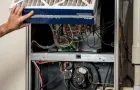
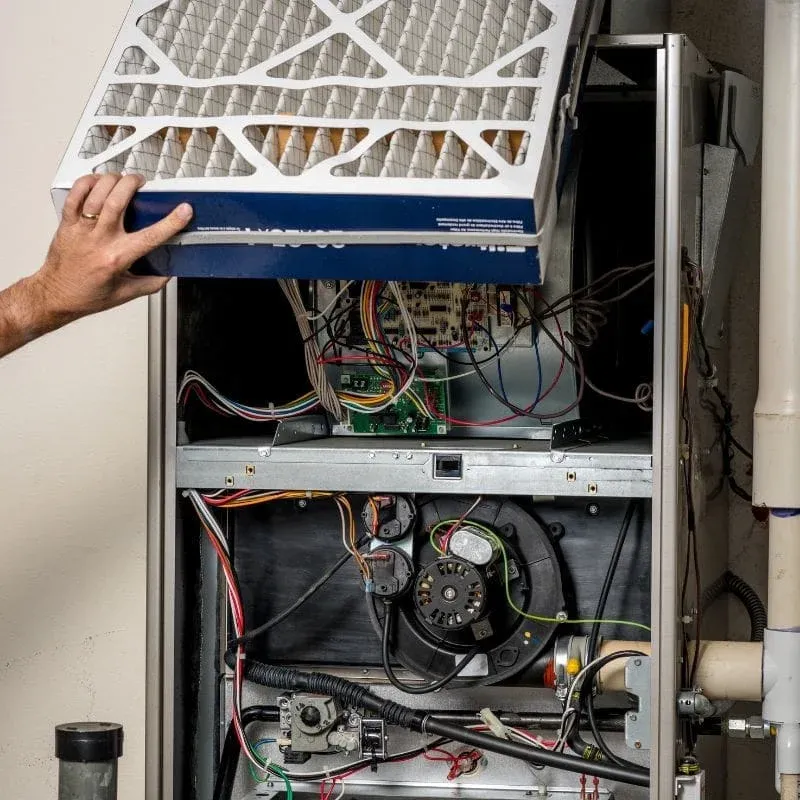
Another simple but important step is changing your air filter regularly. A clogged filter can restrict airflow, forcing the furnace to work harder than necessary. Over time, this added strain can affect multiple components, including the gas valve. Keeping the system clean and well maintained helps reduce unnecessary wear and supports long term reliability.
A malfunctioning gas valve can affect your entire home heating experience, often starting with subtle signs like weak heating or inconsistent furnace cycles. These early symptoms should not be ignored, as they can gradually develop into more serious issues that impact comfort and system performance.
While homeowners can safely perform basic checks, deeper furnace issues should always be handled by trained professionals. With timely attention and proper maintenance, your heating system can continue operating safely and efficiently, keeping your home comfortable throughout the colder seasons. If you want to learn more, visit https://www.essentialheatandac.com/.