
|

Author: Chris

Why Is Water Leaking from My Air Conditioner?

Why Is Water Leaking from My Air Conditioner?

Water pooling around your air conditioner can be alarming. If you’re noticing water leaking onto the floor, it could indicate a problem with the AC unit. Common causes include a blocked drain line, a broken pump, or low refrigerant levels. If you’re dealing with this issue, it’s important to address it before it causes further damage. For a quick solution, contact a trusted HVAC contractor. They can diagnose the issue and fix it efficiently.

Common Causes of Water Leaks in Air Conditioners

Blocked or Clogged Drain Line

A blocked or clogged drain line is one of the most common causes of water leaks. Your air conditioner creates moisture as it cools the air. This moisture must drain out. If the drain line gets clogged with dirt, dust, or algae, water cannot escape properly. The backed-up water can then leak onto the floor. To fix this, clear the drain line regularly. You can use a wet-dry vacuum to remove blockages and keep the line flowing freely. If you notice water pooling around your AC, the drain line is the first place to check.

Frozen Coils Causing Excess Water

Frozen coils can also cause your air conditioner to leak. The coils absorb heat, and when they freeze, they stop working properly. As the ice melts, extra water forms. This water can then drip and leak onto the floor. Frozen coils often happen because of dirty filters, low refrigerant levels, or airflow problems. If you see ice on the coils, your AC needs immediate attention. Changing the air filter and checking refrigerant levels can prevent frozen coils and leaks.

Signs Your Air Conditioner Is Leaking Water

Water Pooling Around the AC Unit

If you notice water pooling around your air conditioner, it’s a clear sign that something is wrong. Air conditioners produce moisture as they cool the air, but that moisture is meant to drain away. When water starts to collect on the floor, it could mean the drain line is clogged or there’s an issue with the internal components of the unit. A leak like this can damage your floors and cause mold growth if not addressed quickly. Always check your AC for pooling water. If you find any, it’s time to inspect the system and get it fixed.

Unusual Sounds from the AC

Another sign that your air conditioner may be leaking water is strange sounds coming from the unit. If you hear dripping or gurgling noises, this may indicate that water is not draining properly. A clogged drain line or frozen coils can lead to water buildup, which can cause these sounds. If the noise persists, it’s best to have the AC checked out. Ignoring these sounds can lead to bigger problems, like water damage or system failure. Pay attention to any odd noises, as they could be an early warning that your air conditioner needs repair.

How to Fix Water Leaking from Your Air Conditioner

Cleaning the Drain Line

If your air conditioner is leaking water, the drain line may be clogged. A clogged drain line prevents moisture from draining out, causing water to leak. To fix this, turn off the AC. Locate the drain line, usually a PVC pipe, and check for any blockages. Use a wet-dry vacuum to clear debris and dirt from the pipe. If the vacuum doesn’t work, you can use a special cleaning solution designed for AC drain lines. Once cleared, flush the line with water to confirm it is open. Cleaning the drain line from time to time can prevent future leaks and help keep your unit working properly.

Fixing Frozen Coils

Frozen coils are another reason your air conditioner may leak water. The coils inside the unit absorb heat. When they freeze, they stop working properly. As the ice melts, extra water forms and can leak out. To fix frozen coils, first, turn off the AC and let the ice thaw. Check the air filter, as a clogged filter can reduce airflow and cause freezing. Replace the filter if needed. Low refrigerant can also cause freezing, so check the levels. If the refrigerant is low, a technician may need to add more. Routine maintenance and changing the filter can stop frozen coils.

Preventing Water Leaks in Your Air Conditioner

Timely Maintenance

Performing maintenance on your air conditioner can help prevent water leaks. Over time, dust, dirt, and debris can build up, causing problems like clogs or inefficiency. Clean the air filter, check the drain line, and inspect the coils to keep your system working well. Schedule these checks at least twice a year. This will prevent issues like frozen coils and blocked drain lines. Keeping up with maintenance helps avoid expensive repairs and keeps your AC running smoothly.

Monitor Refrigerant Levels

Low refrigerant levels can cause water leaks in your AC. When the refrigerant is low, the coils may freeze, and as the ice melts, water leaks onto the floor. If you notice ice on the coils or the AC isn’t cooling effectively, the refrigerant may need to be checked. A technician can inspect the system and add refrigerant if necessary. Keeping the refrigerant levels at the right amount helps prevent leaks and keeps your air conditioner working at its best.

The Importance of Professional AC Repairs

Why DIY Fixes Might Not Work

DIY repairs may seem easy, but they often lead to bigger problems. Air conditioners are complicated machines with many parts that need careful attention. If you try to fix an issue without the right knowledge, you might miss the main cause and make the situation worse. Even worse, trying to repair it yourself could damage the system further or void any warranty. Technicians have the training and tools to find the problem and fix it the right way. It’s better to trust a professional than to risk worsening the issue.

Long-Term Solutions from a Pro

Professional technicians provide long-term fixes for your air conditioner. Instead of just addressing the immediate issue, they find and fix the cause of the problem. This keeps your AC running smoothly over time and avoids future leaks or breakdowns. They also use the proper tools and replacement parts to get the job done right. With professional help, your AC is less likely to need constant repairs, making it more reliable. Hiring a technician to handle repairs and maintenance helps your system last longer and perform better.

Call Essential Heating and Air for Fast AC Leak Solutions

Water leaks from your air conditioner can stem from several issues, like a blocked drain line or frozen coils. Addressing the cause quickly can prevent further damage. If you notice signs of a leak, it’s best to act fast. Fixing these issues on your own may lead to bigger problems. Let the professionals at Essential Heating and Air handle it. Our team can quickly identify the cause of your AC leak and provide a reliable solution. For quick repairs and to keep your air conditioner in top shape, contact us today. We are located at 1520 14th St., NW, Unit A, Auburn, WA 98001. Call us at (253) 576-7251.
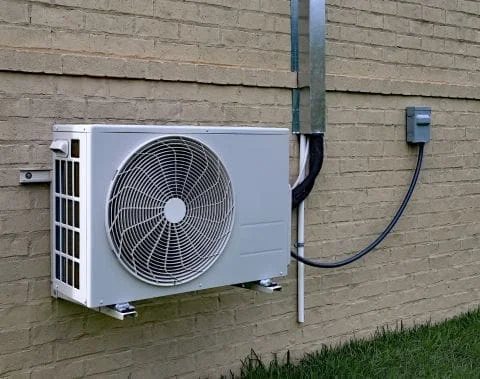
A close-up shot of a gray, rectangular air conditioning unit, specifically a ductless mini-split system, mounted on a tan brick wall. The unit has a large circular fan grille on the front and is connected to the building by wiring and pipes.

How to Choose the Best HVAC Setup for Energy Savings in Your Two-Story Home

Choosing the right air conditioning in Seattle for a two-story house can help reduce energy bills. A properly selected HVAC system keeps temperatures balanced on both floors. This helps lower energy use while increasing comfort. Without the right setup, you may face higher bills and uneven airflow.

The key is finding a solution that fits your home’s layout. A good HVAC system controls airflow effectively. It reduces strain on the unit and saves money in the long run. With the right system, your home will stay comfortable year-round while using less energy overall.

Key HVAC Systems for Two-Story Homes

Zoned Heating and Cooling

Zoned heating and cooling systems divide your home into different areas or zones. Each zone can be controlled separately, allowing for better temperature control. This system uses multiple thermostats placed in different rooms or floors. It saves energy by allowing you to heat or cool only the rooms you are using. 

The main advantage of zoning is comfort. If one floor tends to be warmer or cooler, you can adjust the temperature accordingly. A zoned system can help reduce wasted energy in unused areas, making it a cost-effective choice for a two-story home.

Dual-Stage Systems

A dual-stage HVAC system adjusts the power based on your needs. It runs at a lower stage most of the time, which saves energy and improves comfort. When there’s a bigger change in temperature, the system switches to a higher stage to heat or cool the home faster. This system reduces wear and tear, helping it last longer. 

It’s especially helpful for two-story homes where temperature imbalances often occur. The dual-stage system keeps both floors at a comfortable temperature without running at full power all the time. This leads to energy savings and a more even climate inside your home.

Energy-Efficient Heating Solutions

Heat Pumps for Two-Story Homes

Heat pumps work by transferring heat from outside to inside your home. They can heat and cool your house, making them a year-round solution. These systems are energy-efficient because they don’t burn fuel to produce heat. Instead, they move existing heat from the air, which uses less energy. 

In a two-story home, heat pumps can evenly distribute air, keeping both floors comfortable. They’re especially good in mild climates, where the temperature doesn’t dip too low in winter. A heat pump system can also help lower your heating bills, providing both comfort and savings.

High-Efficiency Furnaces

High-efficiency furnaces use less fuel to produce the same amount of heat as a standard furnace. These systems operate by capturing more heat from the fuel they burn, reducing wasted energy. High-efficiency furnaces have a higher AFUE (annual fuel utilization efficiency) rating, which means they use less energy to heat your home. 

For a two-story home, this can help maintain even heating throughout both floors. These furnaces are designed to be more environmentally friendly as well, reducing carbon emissions. They offer a reliable and cost-effective way to heat your home while saving energy.

Managing Upstairs and Downstairs Temperatures

The Benefits of Separate Thermostats

Using separate thermostats for each floor allows for more precise temperature control. The upstairs of a two-story home often becomes warmer than the downstairs due to heat rising. With separate thermostats, you can adjust the temperature for both floors independently. 

This helps prevent one area from being too hot or too cold. Separate thermostats also reduce energy waste by allowing you to heat or cool only the rooms you’re using. It’s a smart way to increase comfort and save energy, especially if you spend more time on one floor than the other.

Smart Thermostats for Better Control

Smart thermostats allow you to control your home’s temperature from anywhere using a smartphone. These devices learn your schedule and adjust the temperature automatically, making your system more efficient. For a two-story home, smart thermostats can help maintain even temperatures across both floors. 

You can set different temperatures for different times of day or adjust them remotely when you’re not home. Some models even work with zoned heating and cooling systems to provide further energy savings. With a smart thermostat, you get better control over your home’s climate and can lower energy costs at the same time.

Maintaining Efficiency

How Often Should You Service Your HVAC?

Service keeps your HVAC system running smoothly and efficiently. It’s a good idea to have your system serviced at least once a year. In colder climates, schedule a maintenance visit before winter. In warmer climates, get your system checked before the summer.

If your system is older or used more often, you might need service more often. Timely checkups help identify small issues before they become big problems. A well-maintained HVAC system uses less energy, lasts longer, and keeps your home comfortable all year. Don’t wait for a breakdown. Service it on time.

Common HVAC Issues and Solutions

There are a few common issues that can affect your HVAC system. Clogged filters are one of the most frequent problems. Dirty filters reduce airflow and force the system to work harder, using more energy. Replacing filters often can prevent this. Another common issue is thermostat problems. 

If the thermostat isn’t calibrated correctly, it can lead to temperature imbalances in your home. Dirty coils or blocked vents also cause systems to overheat or underperform. If you notice strange noises or inconsistent temperatures, it’s time to call a professional for service. Timely maintenance can help prevent these problems.

Saving Money on Energy Bills with the Right HVAC System

Proper Insulation and Air Sealing

Proper insulation and air sealing are key to improving your HVAC system’s efficiency. Insulation helps keep the heat in during winter and cool air in during summer. Without it, your system has to work harder to maintain a comfortable temperature. Sealing gaps around windows, doors, and ducts also prevents air leaks. This helps reduce energy waste.

Good insulation can lower heating and cooling costs significantly. It also makes your home more comfortable by keeping the temperature steady. A well-insulated home supports your HVAC system in running more efficiently, which means you spend less on energy bills.

Benefits of Energy-Efficient Upgrades

Upgrading to energy-efficient HVAC equipment can help you save money on energy bills. Modern, high-efficiency systems use less energy to heat or cool your home, providing the same comfort with lower energy use. These upgrades also reduce the strain on your HVAC system, leading to fewer repairs and a longer lifespan for your equipment. 

Energy-efficient systems are better for the environment, too, as they use fewer resources and produce less waste. By investing in energy-efficient upgrades, you reduce both your costs and your environmental impact. The savings add up over time, making it a smart long-term choice.

Save on Energy Costs with Our HVAC Solutions

Keeping your HVAC system efficient helps lower energy bills and keeps your home comfortable. Essential Heating and Air provides customized HVAC solutions that fit your home’s unique needs. We help you choose the right system and help it run smoothly for long-term savings. 

A well-maintained HVAC system uses less energy, improving comfort year-round. Our team supports you every step of the way, from selecting the best system to ongoing maintenance. We help your system operate at peak efficiency throughout the year. Visit us at 1520 14th St., NW, Unit A, Auburn, WA 98001, or call (253) 576-7251 to get started.

Where to Find Quick AC Repair Services

AC breakdowns can happen at any time, and finding reliable repair services fast is a must. If your AC needs fixing today, it’s important to know where to turn. You don’t want to waste time looking for a technician who can help right away. A trusted option is to search for services offering HVAC repair in Seattle. Many companies offer same-day repairs to keep your living space comfortable. You can rely on them to get your AC up and running in no time.

Why Same-Day AC Repair is Important for Your Home

The Importance of a Cool Living Space

When your home gets too hot, it’s hard to relax. A broken AC unit can quickly turn a comfortable space into an uncomfortable one. In summer, temperatures can rise quickly. If your AC breaks down, your home may feel like a sauna, making it tough to sleep or get things done. A cool home is important for your health. Heat can lead to dehydration and fatigue. Getting repairs quickly avoids discomfort and keeps you safe.

How a Broken AC Affects Your Comfort

When your AC stops working, your daily routine becomes harder. Not only does it create a hot environment, but it also disrupts your sleep. Without a cool place to rest, you may toss and turn all night. This impacts your mood and energy levels. A broken AC also reduces your ability to focus. In a space with limited airflow, heat can accumulate rapidly. You’ll likely feel sluggish and irritable. Fixing your AC fast is key to restoring comfort.

Finding a Reliable AC Repair Service Nearby

Tips for Locating Trustworthy Technicians

When looking for a reliable AC repair technician, start by asking friends or neighbors for recommendations. Word-of-mouth referrals often lead to trustworthy services. You can also check online reviews. Look for companies with good feedback and ratings. Be sure to read both positive and negative reviews to get a balanced view. Once you find a potential service, ask them about their certifications and experience. A reliable technician should be licensed and experienced with various AC brands. Don’t forget to confirm they offer same-day service if needed.

What to Look for in an AC Repair Company

Finding the right AC repair company in Auburn WA and nearby cities across the Seattle–Tacoma area goes beyond just comparing prices. Look for a company that offers clear pricing with no hidden fees. A trustworthy repair service should provide a written estimate before starting the job. Verify they are licensed and insured to avoid responsibility for accidents that happen during repairs. Also, check their availability. You need a company that can come quickly, especially for urgent repairs. The company must offer a warranty on its repairs. This guarantees the job will be done right.

Common AC Issues That Need Same-Day Repairs

Clogged Filters and Low Refrigerant

Clogged filters are one of the most common problems that affect your AC’s performance. When the filter is clogged, it restricts airflow. This makes the system work harder, which can increase energy costs and cause breakdowns. In some cases, clogged filters can even cause the AC to stop working completely. Low refrigerant is another common issue. Refrigerant is crucial for cooling. When it’s low, the AC can’t cool the air effectively. If these problems aren’t fixed quickly, they can lead to expensive repairs or the need for a full replacement.

Malfunctioning Thermostats and Wiring Issues

A malfunctioning thermostat can stop your AC from maintaining the right temperature. If the thermostat isn’t working properly, it may fail to signal the AC to turn on or off as needed. This can cause the system to run continuously or not cool your space. Wiring issues are also common in AC systems. Over time, wiring can wear out or get damaged. This can cause power outages or short circuits, leading to an AC shutdown. These problems require prompt attention to avoid more serious damage and restore your comfort quickly.

How Fast Can You Expect Same-Day AC Repairs?

Average Response Times for Emergency Repairs

When your AC breaks, you don’t want to wait for days for repairs. Many companies offer same-day service for emergencies. The average response time for emergency AC repairs is about 2 to 4 hours, depending on the company’s schedule and your location. Some companies promise to arrive within a few hours if the issue is urgent. However, during peak times, such as summer, response times might be longer. It’s best to contact a repair company as soon as you notice an issue for the quickest service.

Factors That Influence Repair Speed

Several factors affect how quickly an AC repair technician can arrive and finish the job. One key factor is your location. If you live in a busy area, traffic may cause delays. The type of repair needed also matters. Simple issues like clogged filters can be fixed fast, while more complex problems like a refrigerant leak may take longer to fix. The time of day is also a factor. Companies may have more technicians available during business hours, but late-night or weekend repairs may take longer to schedule.

Preparing Your Home for Same-Day AC Repairs

What to Do Before the Technician Arrives

Before the technician arrives, take a few steps to make the repair process easier. Turn off your AC to avoid further damage. Clear the area around the AC unit to give the technician space. Move any furniture, decor, or objects that may block access. If the unit is in a tight spot, move things around to create more space. It’s also helpful to note any problems you’ve noticed, like strange noises or leaks. Explaining these issues clearly helps the technician fix the problem faster.

How to Make Access Easy and Safe During Repairs

Making access to your AC unit simple and safe helps technicians work more efficiently. If the unit is in a closet, balcony, or basement, remove any obstacles. This includes furniture, shelves, or clothes. Clear a path to the unit to reduce blockages. If repairs require using ladders or other tools, check for potential hazards, such as rugs or cords. A clean, well-lit space enables technicians to work quickly and safely, thereby speeding up the process and minimizing accidents.

Contact Essential Heating and Air for Fast AC Repairs

If your AC needs urgent repair, don’t wait. Essential Heating and Air can send a Gresham HVAC technician to your location today. We know how uncomfortable it is when your AC stops working. That’s why we offer fast, same-day repairs to restore your comfort. Our team is ready to get your AC back to working condition with minimal delay. Call us today at (253) 576-7251 or visit us at 1520 14th St., NW, Unit A, Auburn, WA 98001. Let us fix your AC and bring cool air back to your home.

What Affects the Cost of Installing a Heat Pump in a Small Home?

Installing a heat pump in a small home can be an efficient way to stay comfortable year-round. The installation cost depends on several factors, including the type of system, the size of your home, and the complexity of the setup. Heat pumps are known for their energy efficiency, which can save you money in the long run. If you’re considering this upgrade, it’s important to understand how various aspects affect the cost. By understanding your options, you can make an informed decision about your Seattle heating installation needs.

Main Factors That Affect Heat Pump Installation Costs

How the Size and Type of Heat Pump Impact Costs

The size and type of heat pump directly affect the overall cost. Larger homes often require bigger units, which are more expensive to install. Likewise, heat pump models with more advanced features, such as multi-zone systems, usually cost more. The size of the unit should match the home’s heating needs.

An undersized unit will struggle to maintain comfort, while an oversized unit will waste energy. Choosing the right heat pump for your home’s size and layout ensures you won’t overspend and helps optimize long-term energy savings.

How Installation Complexity Affects Costs

Installation complexity can increase costs. If your home needs modifications, like upgrading electrical systems or adjusting ductwork, expect higher fees. Some homes take more time to install the unit. This is especially true if the space is hard to access or extra components are needed. 

A more complex system, with multiple zones or a new duct system, can also raise costs. Factor in all potential modifications when budgeting for your new heat pump. The more complicated the installation, the higher the price. Additional upgrades, such as electrical panel adjustments, may also add to the total cost.

Costs of Different Heat Pump Models

Price Ranges for Various Heat Pump Models

Heat pump prices can vary based on the model and features. On average, a basic air-source heat pump will cost between $3,000 and $7,000, including installation. Higher-end models, such as geothermal or more energy-efficient air-source systems, can range from $8,000 to $15,000 or more. 

The price difference depends on factors like the unit’s size, brand, and additional features like smart controls. Geothermal systems tend to be pricier due to the need for underground installation. It’s important to compare different models and assess long-term savings before making a decision.

How Energy Efficiency Affects Installation Cost

Energy-efficient models typically cost more upfront, but they can lead to significant savings over time. Units with higher SEER (Seasonal Energy Efficiency Ratio) and HSPF (Heating Seasonal Performance Factor) ratings generally carry a 10-20% premium compared to standard models. 

While the initial cost is higher, these units reduce energy consumption and can lower utility bills. Many energy-efficient heat pumps also qualify for rebates or tax incentives, further reducing the total cost. Investing in an energy-efficient system offers long-term savings, especially in areas with harsh winters.

Labor Costs and Time for Installation

Understanding Local Labor Rates

Labor costs for heat pump installation vary depending on where you live. On average, rates are between $50 and $150 per hour. The experience of the technician can affect the price, as can the complexity of the installation. 

If the job requires additional work, such as updates to electrical systems or changes to the ductwork, the cost will go up. To get a fair price, it is a good idea to get a few quotes. Some installers may offer a flat-rate price for the entire project, which can help with budgeting.

The Time Required for Heat Pump Installation

The time it takes to install a heat pump depends on the system and your home. Standard installations typically take one to two days. However, if modifications are needed, such as electrical work or duct adjustments, the job may take longer. 

More advanced systems, like geothermal units, can take several days due to the extra steps involved. Be sure to ask the installer for an estimate of how long the work will take. Knowing the expected timeline can help you plan and avoid any unnecessary delays.

Extra Costs to Account For

Modifications and Upgrades That Increase Cost

During heat pump installation, additional costs can come from necessary modifications. For example, electrical upgrades may cost between $500 to $2,500 if your home’s panel needs updating. Ductwork adjustments can range from $500 to $2,000 in older homes where the existing system may not fit the new setup. 

If you need a new thermostat or insulation for better efficiency, this will add to the overall cost. When upgrading to a more efficient system, such changes could be required. Always budget for these possible adjustments to avoid unexpected expenses.

Permits and Inspection Fees You Should Expect

In many areas, heat pump installations require permits. These can cost anywhere from $50 to $300, depending on local building codes and the complexity of the project. After installation, inspections may be necessary to verify that everything meets the required standards. 

These fees typically range from $75 to $200. It’s important to check with your installer about the permits and inspections needed in your area before work begins. This helps you plan and avoid surprises later on in the process.

Tips to Reduce Heat Pump Installation Costs

Available Rebates and Incentives That Save You Money

Many local utilities and governments offer rebates and incentives to help offset the cost of installing energy-efficient systems like heat pumps. These programs can reduce installation costs by hundreds or even thousands of dollars. Check with your local energy provider to find out about available incentives. 

In some cases, federal tax credits are also available for installing certain models. Be sure to ask your installer about these options before you begin, as they can significantly lower the overall cost of the project. Always check eligibility requirements and deadlines for these rebates.

How to Choose the Right Installation Contractor

Selecting the right contractor can make a big difference in your installation costs. Start by getting multiple quotes from local professionals. This will help you understand the going rates for installation in your area. Look for contractors who are licensed and have good reviews from previous customers. 

It’s important to choose someone familiar with the type of heat pump you’re installing. The right contractor will not only do quality work but also suggest ways to keep your costs low, like recommending energy-efficient models or taking advantage of rebates.

Get Accurate Heat Pump Installation Costs with Essential Heating and Air

The cost of installing a heat pump in a small home varies based on factors like the heat pump model, installation complexity, and local labor rates. To get an accurate estimate, it’s important to understand these factors and work with professionals who provide detailed quotes. 

Essential Heating and Air can help you through the installation process and ensure you receive the best value for your investment. Contact us at (253) 576-7251 or visit us at 1520 14th St., NW, Unit A, Auburn, WA 98001 to discuss your heat pump needs.

Fast Emergency HVAC Repair on a Sunday: Your Quick Solution

An HVAC breakdown on a Sunday can be stressful. You need a quick fix, but not all services are available on weekends. The key to fast repair is knowing where to look and how to contact the right professionals. It’s essential to have a reliable service ready to respond quickly. For example, if you’re struggling with issues related to your air conditioning, contacting a Seattle air conditioning service that offers emergency support can save you time. With the right approach, you can ensure your home stays comfortable even on the busiest of days.

How to Find Emergency HVAC Repair Services Quickly

Search Online for 24/7 HVAC Services

When your HVAC system breaks down, quick access to help is essential. Searching for 24/7 emergency HVAC services in Auburn, WA and surrounding Seattle–Tacoma communities is one of the fastest ways to get professional assistance. Many companies offer emergency services and can respond quickly to issues that arise after normal business hours. Start by searching for local companies that offer round-the-clock repairs. 

Check their websites to confirm they handle emergencies. Look for details like response times, availability, and services offered. A quick online search will help you find a nearby HVAC company in Gresham, OR that can handle repairs on weekends or late at night.

Look for Reviews and Ratings

Reviews and ratings can help you decide which HVAC service to choose. Check websites like Google, Yelp, or the company’s social media pages. Look for feedback from other customers who have needed emergency services. Positive reviews mean the company has a good track record, especially for urgent repairs. 

Be sure to read both good and bad reviews to get an honest view. Pay attention to comments about response time, customer service, and repair quality. This can give you an idea of how quickly and effectively the company will handle your emergency.

Key Features of a Good Emergency HVAC Service

Fast Response Times

When your HVAC system fails, fast response times are key. An emergency repair service should be able to respond quickly to your call. Ideally, they should arrive at your home within a couple of hours or less. Fast service can help prevent further damage and get your system back up and running quickly. 

A service with fast response times shows they prioritize customer satisfaction and understand the urgency of HVAC problems. Look for companies that promise immediate responses or have on-call staff ready to handle urgent situations, no matter the time of day or night.

Availability of Certified Technicians

Certified technicians are a must for any emergency HVAC service. You want someone who understands your system and can make the right repairs. A good service provider will only send out trained, certified professionals to handle your issue. They should have experience with different types of HVAC systems and be able to fix any problem efficiently. 

Make sure the company you choose works with licensed and insured technicians. This guarantees that the work is done correctly and safely. It also helps protect you from any future issues that might arise from improper repairs.

What to Do Before the Technician Arrives

Turn Off the HVAC Unit

Before the technician arrives, it’s important to turn off the HVAC unit. This helps prevent further damage while the system is malfunctioning. It’s especially important if the system is making unusual noises or if there is a strong smell coming from the unit. 

Turning off the HVAC will prevent the issue from getting worse. If possible, also switch off the thermostat. This stops any electrical problems while waiting for the technician. Taking this step can also help the technician diagnose and fix the issue more quickly once they arrive.

Check for Basic Issues You Can Fix

While waiting for the technician, check for simple problems you can fix. Start by reviewing the thermostat settings to make sure it’s in the correct mode. If your system isn’t blowing air, inspect the air filters. Clogged filters can block airflow, causing the system to stop working. 

Also, verify that vents aren’t blocked or closed. If your system is electric, check the circuit breakers to see if any have been tripped. These simple checks may help find small issues or prevent bigger ones from developing while you wait for the technician.

Why Sunday HVAC Repair Can Be More Expensive

Higher Labor Rates

HVAC repairs on Sundays can be more expensive due to higher labor rates. Many companies charge more for emergency services outside normal working hours. Technicians working on weekends often get overtime pay, which is reflected in the cost of the service. Labor rates can also increase if the technician is called in after hours or on a holiday. 

It’s important to be prepared for these added costs when seeking repair services on a Sunday. Though you may pay more, getting fast service will help avoid more expensive repairs later on. Always ask for an upfront estimate to avoid surprises.

Limited Availability of Technicians

Sunday HVAC repairs can be more costly because there are fewer technicians available. Many companies operate with limited staff on weekends, meaning fewer technicians are on call. This limited availability can lead to higher demand for the service. Technicians may also have to travel longer distances or work in areas with fewer resources. 

The result is that some companies may increase their rates to cover the added cost of sending out a technician during off-hours. While it may cost more to fix your HVAC system on a Sunday, getting it repaired quickly can prevent more costly issues down the road.

How to Choose the Right HVAC Service for Emergency Repairs

Look for Services with Broad Availability

When you need emergency HVAC repair, availability is key. Choose a provider that offers 24/7 help, including weekends and holidays. This way, you’ll get the support you need no matter when your system breaks down. Providers with around-the-clock availability show they’re ready for urgent situations. 

They understand the importance of quick responses. Before choosing a provider, check their hours and service areas. A provider that works weekends or holidays will help avoid long waits, getting your system back up and running faster during an emergency.

Compare Pricing and Service Guarantees

Pricing and guarantees are vital when selecting an HVAC provider. Compare prices to find a fair rate. Some businesses offer flat fees, while others charge based on the job. Be sure to ask about extra charges, especially for emergency calls. A reputable company will back up its work with service guarantees. 

This way, you won’t be stuck paying for a subpar job. Look for providers offering warranties on parts and labor. Comparing pricing and guarantees will help you choose the right provider for emergency repairs without surprises.

Contact Essential Heating and Air for Fast HVAC Repair

A malfunctioning HVAC system can disrupt your comfort quickly. Acting fast and contacting a reliable service helps restore your system. Many issues, like a dirty filter, thermostat malfunction, or blocked vent, can be resolved with the right tools and knowledge, often preventing costly repairs. 

A dependable HVAC service should offer clear communication, quick response times, and fair pricing. Choosing a service that operates 24/7 means help is always available. If you need immediate HVAC repair, contact Essential Heating and Air for fast, reliable service. Visit us at 1520 14th St., NW, Auburn, WA 98001.

What’s Causing My Furnace to Rattle When It Starts?

Loud rattling noises when your furnace starts can be alarming. They could point to several issues that need attention, such as loose parts or motor problems. These sounds are often a sign that something isn’t right. If you’re unsure about the source of the noise, it’s best to have a professional inspect the system. If you need assistance, contact a trusted team that services HVAC in Seattle for a thorough checkup. Taking action early can prevent bigger issues down the line and help your furnace run smoothly throughout the colder months.

Common Causes of Rattling Noises in Furnaces

Loose or Damaged Parts

Rattling noises in your furnace often happen due to loose or damaged parts. These parts can shift or vibrate when the furnace runs, causing disturbing sounds. Blower fans, access panels, screws, and other components can become loose over time.

As these parts wear down, they may shift out of place, causing rattling. Tightening bolts or screws is usually an easy fix. If any part is severely damaged, it may need to be replaced. Inspecting parts regularly helps avoid bigger problems. A well-maintained furnace runs quietly and is less likely to break down unexpectedly.

Faulty Blower Fan

A faulty blower fan is another common reason for rattling noises. The fan moves air through the furnace and ducts to heat your home. If the fan blades are dirty, misaligned, or broken, they may cause noise. Dust and debris buildup on the fan blades can also result in rattling sounds.

You might also hear the fan struggling if the motor is failing. Cleaning the fan blades and checking for misalignment can often resolve the issue. Taking care of the blower fan will help your furnace run more smoothly and prevent further damage.

How to Fix a Rattling Furnace

Tighten Loose Parts

If your furnace makes rattling noises, start by checking for loose parts. Over time, components like the blower fan, access panels, and screws can loosen. These loose parts shift or vibrate when the furnace runs, causing noise. Tightening the screws and bolts is an easy fix.

You can do this with basic tools. Inspect all parts carefully to make sure they are secured properly. Checking for loose parts can stop these annoying noises. It also helps prevent bigger issues. A well-secured furnace works quietly, runs efficiently, and avoids costly repairs. Keeping it in good condition is key to smooth operation.

Replace Worn-out Components

Worn-out components are another common cause of rattling sounds in furnaces. Over time, parts like the blower fan or motor may become damaged or worn down. As these components degrade, they can create unusual noises when they function. If a part is broken or too worn, replacing it is the best solution.

This improves the furnace’s performance and eliminates the rattling noise. Inspecting parts helps catch worn components early. Replacing them before they break can save you from costly repairs later. Keeping the parts in good condition helps your furnace run smoothly and last longer.

When to Call a Professional for Furnace Repairs

Persistent Rattling Sounds

If rattling noises continue even after tightening loose parts, it may be time to call a professional. Persistent rattling sounds can indicate deeper issues, such as a malfunctioning motor, broken fan blades, or other serious damage. If the noise doesn’t go away after you’ve fixed the obvious causes, it’s best to have a technician inspect your furnace.

Ignoring these sounds could lead to further damage or even a complete system failure. A professional can quickly identify the source, fix the problem, and help you avoid costly repairs. Don’t wait for the problem to worsen.

Other Performance Issues

If your furnace is showing signs of poor performance, it’s time to call in a professional. Problems like uneven heating, short cycling, or strange smells can indicate something isn’t right. These issues might be caused by dirty filters, worn-out components, or other internal problems.

Trying to fix these yourself may worsen the situation or cause further delays. A professional can diagnose the issue quickly and provide a safe, effective solution. Acting fast can help prevent additional damage. Don’t risk more repairs or a breakdown. A professional will restore your furnace to proper working order.

Regular Furnace Maintenance to Prevent Noises

Keep Vents and Ducts Clean

Cleaning your vents and ducts is an effective way to prevent rattling noises in your furnace. Over time, dust, dirt, and debris can build up in the ducts. This blocks airflow, making your furnace work harder. When airflow is restricted, it can cause rattling sounds.

Regular cleaning helps your furnace run smoothly and prevents these noises. It also stops dust from circulating through your home. A clean furnace system works more efficiently and lasts longer. Proper maintenance of the ducts will reduce the need for repairs and save you money in the long run.

Schedule Annual Inspections

Scheduling an annual inspection for your furnace helps catch issues before they turn into bigger problems. A technician can check for issues like worn parts, dirt buildup, and loose components. They can also clean and lubricate moving parts, which helps reduce noise.

Catching these problems early can save you money on expensive repairs later. Annual inspections also help your furnace run more efficiently, improving its lifespan. Don’t wait for your furnace to make noise before calling for help. Get a professional to inspect your system every year to keep it working smoothly.

Furnace Repairs You Shouldn’t Delay

Addressing Rattling Early

When your furnace starts making rattling noises, it’s important to address the issue as soon as possible. Delaying repairs can cause the problem to worsen and lead to more expensive fixes later. A simple rattling sound could be a sign of loose parts or a worn-out motor.

If left unchecked, these issues can damage other components of your furnace. By acting early, you can prevent bigger problems from developing and avoid the need for costly repairs. Don’t wait for the noise to get worse. Fixing it early can save you time, money, and frustration.

Dealing with Other Furnace Noises

Aside from rattling, your furnace may make other noises like whining, banging, or humming. Each of these sounds can indicate different problems. A whining noise could mean there’s a problem with the blower fan, while a banging sound may suggest issues with the ductwork.

If your furnace is making any unusual noises, it’s important to have it checked out right away. Ignoring these sounds could lead to further damage and higher repair costs. Taking care of problems early will help your furnace run smoothly and keep it functioning properly for years.

Call Essential Heating and Air for Fast Furnace Repairs

Unusual furnace noises need immediate attention. Ignoring rattling sounds can lead to more costly repairs and breakdowns. Loose parts, worn-out components, or motor issues could be the cause. Early detection and repair prevent further damage and keep your furnace running efficiently. 

If the noise continues, it’s best to consult a professional to avoid complications. Reach out to our team at Essential Heating and Air at 1520 14th St NW Unit A, Auburn, WA 98001, or call (253) 576-7251 for fast, reliable furnace repairs. We’re here to make sure your furnace runs like new and keeps your home comfortable all year.