
Is Ductless Heating Enough to Keep a House Warm in Winter?
Is Ductless Heating Enough to Keep a House Warm in Winter?
Your heating bill just arrived, and the number made you wince. Or maybe you’re staring at those old electric baseboards, wondering if there’s a better way to stay warm without breaking the bank. You’ve heard about ductless mini-splits, but here’s the question keeping you up at night: Can they really heat your entire home when temperatures drop?
The short answer is yes, but it depends on where you live and which system you choose. Modern ductless mini-split heat pumps have come a long way, especially the cold-climate models designed for harsh winters. In the Pacific Northwest, where winter lows typically hover between 28°F and 37°F, properly sized ductless systems can absolutely serve as your primary heat source.
At Essential Heating and Air, we’ve helped many homeowners across the Seattle-Tacoma area transition to ductless heating, and the results speak for themselves. Lower energy bills, consistent warmth, and year-round comfort without the expense of installing ductwork. But let’s dig into the details so you can make an informed decision for your home.
What Makes Modern Ductless Systems Different?
Here’s what’s changed in recent years: Technology has caught up with demand.
Older heat pumps struggled once temperatures dropped below 40°F. They’d work overtime, lose efficiency, and leave you shivering when you needed heat most. But hyper-heat and cold-climate mini-splits have completely changed the game.
These advanced systems maintain full heating capacity down to 5°F and continue operating efficiently even below that threshold. Some models work down to -13°F or -22°F while still delivering reliable warmth. For context, Seattle’s average January low sits around 37°F, with rare dips below 28°F. That means modern ductless systems operate well within their comfort zone throughout our typical winters.
The Technology Behind Cold-Weather Performance
Inverter-driven compressors are the secret weapon. Unlike traditional systems that simply turn on and off, these compressors adjust their speed continuously based on your heating needs. When it’s moderately cold, they run at lower speeds, using less energy while maintaining steady temperatures. When it gets colder, they ramp up smoothly without the energy spikes you’d see from older systems.
The result? You get consistent warmth without the temperature swings that make rooms feel stuffy one minute and chilly the next.
Cold-climate models also use specialized components designed for sub-freezing operation:
- Enhanced vapor injection for better low-temperature performance
- Larger heat exchangers to extract more warmth from cold air
- Advanced defrost cycles that minimize downtime in freezing conditions
- Optimized refrigerant flow for maximum efficiency
If you’re exploring options for reliable heating and cooling in Seattle, understanding these technological advances helps explain why ductless systems have become so popular in our region.
How Ductless Heating Performs in Pacific Northwest Winters
Let’s talk about real-world performance, not just manufacturer claims.
The Puget Sound region offers an ideal climate for ductless heating. Our winters are mild compared to the Midwest or Northeast, where temperatures regularly plunge below zero. When your coldest days rarely drop below 30°F, even standard mini-splits perform well, and cold-climate models excel.
Energy efficiency becomes the real story here. Modern ductless systems achieve HSPF ratings of 10 to 14+, meaning they deliver far more heat energy than the electricity they consume. Compare that to electric baseboards, which convert electricity to heat at a 1:1 ratio, and you’ll understand why homeowners report heating cost reductions of 25% to 50%.
Temperature Capacity by Model Type
| System Type | Effective Heating Range | Best For |
| Standard Mini-Split | Down to 20°F-25°F | Mild winter climates |
| Cold-Climate Model | Down to 0°F-5°F at full capacity | Most residential applications |
| Hyper-Heat Model | Down to -13°F to -22°F | Areas with occasional hard freezes |
The numbers tell an important story. Even during Seattle’s coldest recorded temperatures, hyper-heat models maintain efficiency levels that older heating systems can’t match.
We’ve worked with homeowners in Puyallup, Kent, Auburn, and throughout the region who rely solely on ductless heating. They report consistent comfort even during those rare weeks when temperatures stay below freezing for several days. The key is proper system sizing and installation, which we’ll discuss next.
Can Ductless Heating Work for Your Whole House?
This is where many homeowners get confused. They assume one indoor unit can heat an entire 2,000-square-foot home, and then feel disappointed when certain rooms stay cold.
The reality is simpler: Multi-zone systems with strategically placed indoor heads provide whole-home comfort. Each zone gets its own thermostat and control, so you’re not overheating bedrooms to warm up the living room.
When Single-Zone Systems Work
Open floor plans are perfect for ductless heating. If your main living area combines the kitchen, dining room, and living room without many walls, a single high-capacity unit can effectively heat that entire space. Warm air circulates naturally, and you avoid the cold spots that plague homes with traditional forced-air systems.
Homes under 1,200 square feet with good insulation often do well with a single-zone or two-zone setup. Add a second head for the bedroom area, and you’ve got complete coverage.
When You Need Multiple Zones
Larger homes or those with separated rooms benefit from multi-zone configurations. Think about your layout:
- Two-story homes typically need at least one head per floor
- Homes with closed-off bedrooms need individual heads for even temperatures
- Finished basements may require dedicated units
- Home offices or additions often need their own zones
At Essential Heating and Air, we perform detailed assessments before recommending systems. We measure your home, evaluate insulation, consider window placement, and calculate actual heating requirements. This prevents the undersizing or oversizing that leads to comfort problems and wasted money.
The Critical Role of Proper Installation and Sizing
Here’s an uncomfortable truth: The best ductless system becomes ineffective if installed incorrectly.
Load calculations determine exactly how much heating capacity your home needs. This involves complex math that accounts for:
- Square footage and ceiling height
- Insulation quality in walls, attic, and floors
- Window size, type, and orientation
- Air leakage rates
- Local climate data
- How you use different rooms
Skip this step, and you might end up with a system that runs constantly without providing adequate heat, or one that short-cycles and wastes energy.
Installation Factors That Impact Performance
Indoor unit placement matters more than most people realize. Mount a head too high, and heat rises to the ceiling while you sit in cold air. Place it too far from the area you want to heat, and warm air never reaches those spaces.
Professional installers consider airflow patterns, furniture placement, and room layout. They also ensure proper refrigerant line installation, which directly impacts efficiency. Even small leaks or incorrect line lengths can reduce heating capacity by 20% or more.
Insulation quality amplifies or undermines your system’s performance. A well-insulated home retains heat, allowing your mini-split to maintain comfort while running at lower speeds. Poor insulation forces the system to work harder, potentially exceeding its capacity during cold snaps.
If your home has drafty windows, inadequate attic insulation, or gaps around doors, address those issues before or alongside your ductless installation. The combination delivers the best results.
What About Those Really Cold Days?
Even in the Pacific Northwest, we occasionally see temperatures in the teens or low twenties. So what happens to your ductless system when that Arctic air mass moves through?
Hyper-heat models continue heating effectively. They might run more constantly and use more electricity, but they still maintain indoor comfort. The Coefficient of Performance (COP) remains above 2 even below 0°F, meaning you still get twice the heat output compared to the electricity consumed.
For reference, electric baseboards have a COP of exactly 1. Gas furnaces operate between 0.8 and 0.95 (80-95% efficiency). So even when working hard in very cold weather, your ductless system outperforms conventional alternatives.
Should You Keep Backup Heat?
Some homeowners choose to retain their existing furnace or add electric baseboards as supplemental heat. This provides peace of mind during extreme weather events, though it’s rarely necessary with properly sized cold-climate systems.
The decision often comes down to personal comfort levels. If you want absolute certainty that you’ll stay warm during a once-in-a-decade cold snap, backup heat makes sense. If you’re comfortable with a system that handles 99% of winter days effortlessly and might work a bit harder during rare extreme cold, a ductless-only setup works perfectly.
We help homeowners evaluate their specific situations. Factors like age, health concerns, tolerance for minor temperature fluctuations, and budget all play into the decision.
Energy Savings and Environmental Benefits
Let’s address the question on everyone’s mind: How much will you actually save?
Homeowners switching from electric baseboard heating typically see bill reductions of 40% to 50% in moderate climates like ours. Those replacing older furnaces often save 25% to 35%, depending on the furnace’s age and efficiency.
The exact savings depend on several variables:
- Your current heating system’s efficiency
- Your home’s insulation quality
- How you set your thermostat
- Electricity rates in your area
- How much you use zone control to heat only occupied spaces
The 2025 Refrigerant Update
Recent EPA regulations mandated a shift to lower Global Warming Potential (GWP) refrigerants. New ductless systems now use R-32 or R-454B instead of older refrigerants. This change improves environmental impact without affecting cold-weather performance.
In fact, manufacturers optimized their 2025 models for these new refrigerants, often improving efficiency ratings in the process. You get better environmental stewardship and lower operating costs.
Common Concerns and Misconceptions
“Mini-splits look ugly on walls.”
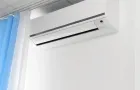
Modern indoor units come in various styles, including slim designs, ceiling cassettes, and floor-mounted options. Many homeowners find them less obtrusive than bulky registers and return vents. Some appreciate the sleek, contemporary aesthetic.
“They’re too expensive compared to furnaces.”
Initial costs run higher for ductless systems, but you’re not just buying a heater. You’re also getting air conditioning, eliminating duct installation expenses, and investing in lower operating costs for the life of the system. Total cost of ownership often favors ductless when you factor in energy savings over 15-20 years.
“They require constant maintenance.”
Actually, maintenance is simpler than forced-air systems. Clean the filters monthly (takes five minutes), schedule professional service annually, and you’re done. No ductwork to clean, no yearly furnace tune-ups, and no filter changes buried in crawl spaces.
“They don’t work in old, drafty houses.”
They work, but efficiency suffers. If your home has significant air leakage or poor insulation, address those issues first. Otherwise, you’ll spend money heating the outdoors while struggling to stay comfortable inside. That advice applies to any heating system, not just ductless.
Making the Right Choice for Your Home
Every home has unique characteristics that affect heating decisions. Your square footage, layout, insulation, and how you use your space all matter.
At Essential Heating and Air, we don’t push one-size-fits-all solutions. We assess your specific situation, explain your options clearly, and provide honest recommendations based on our experience serving homeowners throughout Seattle, Tacoma, Bellevue, Kirkland, Renton, and surrounding communities.
Signs a ductless system might be perfect for you:
- You want to eliminate high heating bills from electric baseboards
- Your home lacks ductwork and you’d rather not install it
- You value zone control and room-by-room temperature management
- You need both heating and cooling in an efficient package
- Your home has good insulation and reasonable air sealing
- You prefer environmentally responsible heating options
When you might need additional considerations:
- Your home is very large (3,500+ square feet) with complex layouts
- You have extensive single-pane windows throughout
- Your insulation is minimal or non-existent
- You absolutely require backup heat for peace of mind
- Your home has unusual architectural features that complicate installation
We’ve guided hundreds of homeowners through this decision process. Some choose ductless as their sole heating source. Others combine it with existing systems. Still others decide that traditional HVAC better suits their needs. Our goal is helping you make the informed choice that improves your comfort and fits your budget.
Ready to Experience Better Home Comfort?
Modern ductless heating technology has proven itself capable of keeping homes warm throughout Pacific Northwest winters. The combination of cold-climate performance, energy efficiency, and zone control makes these systems increasingly popular across the region.
Whether you’re building new, renovating, or simply tired of expensive, ineffective heating, exploring ductless options makes sense. The technology works, the savings are real, and the comfort improvements are immediate.
At Essential Heating and Air, we specialize in helping homeowners find the right heating solution. We provide HVAC services in Auburn, WA, and serve communities throughout the greater Seattle–Tacoma area, including Algona, Federal Way, Tacoma, Kent, Renton, Bellevue, Sammamish, and Woodinville. Our team brings years of experience with ductless installations, honest assessments, and commitment to your long-term satisfaction.
Contact us for a thorough evaluation of your home. We’ll measure, calculate, and explain your options clearly. No pressure, no sales gimmicks, just professional guidance to help you stay warm all winter long.
Frequently Asked Questions
How long do ductless mini-split systems last?
Quality ductless systems typically last 15 to 20 years with proper maintenance. The outdoor compressor usually determines system lifespan, while indoor heads can last even longer. Regular annual service and monthly filter cleaning maximize longevity.
Can I install a ductless system myself?
Licensed professionals should install mini-splits. The process involves electrical work, refrigerant handling, and precise calculations that require specialized tools and training. Improper installation voids warranties and reduces efficiency significantly. In Washington State, HVAC work requires proper licensing and permits.
Do ductless systems work during power outages?
No, ductless systems require electricity to operate. This applies to all electric heating systems, including forced-air furnaces (which need electricity for blowers and controls even when burning gas). Consider a backup generator if power reliability concerns you.
How much noise do ductless systems make?
Modern indoor units operate very quietly, typically between 19 and 30 decibels at low speeds. That’s quieter than a whisper. Outdoor units produce 40 to 60 decibels, similar to a conversation or light rainfall. Quality installations minimize vibration and sound transmission.
Will a ductless system increase my home’s value?
Energy-efficient heating and cooling typically appeals to buyers, especially in areas where HVAC costs are significant. While exact value increases vary by market, homes with modern, efficient climate control often sell faster and for better prices than comparable homes with older systems.
Can I heat and cool different zones at different temperatures simultaneously?
Yes, that’s one of ductless systems’ biggest advantages. Each indoor head operates independently with its own thermostat. You can heat bedrooms to 68°F while keeping the living room at 72°F, or cool one zone while another stays in fan-only mode.
What maintenance does a ductless system need in winter?
Check and clean indoor unit filters every 2-4 weeks during heavy use. Ensure outdoor units stay clear of snow, ice, and debris. The system’s defrost cycle handles ice buildup automatically, but check that condensate drains remain clear. Schedule professional service annually for refrigerant checks, electrical inspections, and deep cleaning.
How quickly can a ductless system heat a cold room?
Modern systems warm rooms faster than traditional furnaces because they deliver heat directly to living spaces without duct losses. Expect noticeable warmth within 5-10 minutes, with full comfort achieved in 15-30 minutes depending on room size and starting temperature.