Why Your Upstairs Stays Hot While Downstairs Stays Cold (And How to Fix It)
Why Your Upstairs Stays Hot While Downstairs Stays Cold (And How to Fix It)
You adjust the thermostat again. Nothing changes. Your upstairs bedroom feels like a sauna in July, but your downstairs living room is perfectly comfortable. Come winter, the opposite happens: downstairs is freezing while upstairs is toasty.
If this sounds familiar, you’re not alone. This temperature imbalance is one of the most common comfort problems we encounter in homes throughout the Seattle, Tacoma, and Puyallup areas. The good news? Once you understand what’s causing it, the right solution can make your entire home comfortable again.
Here’s what’s really happening in your home, and what can actually help.
The Real Reason Heat Won’t Stay Put
Your home isn’t fighting you. It’s basic physics.
Hot air rises because it’s lighter than cold air. This creates something called the stack effect: warm air naturally floats upward through your home, pushing toward the upper floors and attic. Meanwhile, cooler air gets drawn down to the lower levels.
During summer cooling, your AC works overtime trying to cool the second floor, but that hot air keeps rising. In winter, your furnace heats downstairs, and all that warmth immediately travels upstairs.
But physics isn’t the only culprit. Most homes have a second problem working against them.
Your Single Thermostat Is Making Decisions for Your Entire House
Here’s the issue: most homes run on a single-zone HVAC system. One thermostat, usually placed downstairs, controls heating and cooling for every room.
When that downstairs thermostat reads 72°F, it tells your system everything is fine. Meanwhile, your upstairs bedrooms might be sitting at 78°F or higher. The system doesn’t know, and it doesn’t adjust.
If the thermostat is upstairs, the opposite happens. Your furnace or AC keeps running until the upper floor feels right, which means your downstairs gets overcooled in summer or overheated in winter.
This single-zone limitation is why so many homeowners in areas like Auburn, Bellevue, and Federal Way struggle with comfort, especially in two-story homes built before modern zoning systems became common.
At Essential Heating and Air, we see this pattern constantly during service calls. The system itself works fine, but it was never designed to handle the temperature differences between floors.
What’s Making Your Problem Worse
Beyond rising heat and single-zone systems, several other factors can intensify the imbalance:
Poor attic insulation lets summer heat pour in from your roof or allows winter warmth to escape through the ceiling. If your attic insulation is old, compressed, or incomplete, your upstairs takes the hit.
Leaky or imbalanced ductwork loses conditioned air before it reaches the rooms that need it most. We often find that ducts serving upper floors weren’t sized correctly, or air leaks in the duct system waste 20-30% of the air your system produces.
Sun exposure on upper floors heats rooms faster than your AC can compensate. South and west-facing bedrooms get hammered during afternoon hours.
Closed doors and blocked vents restrict airflow and create pressure imbalances. Even a partially closed interior door can prevent proper air circulation.
When several of these issues combine, you end up with temperature swings that no amount of thermostat adjustment will fix. You need a different approach.
Professional Solutions That Actually Work
Let’s talk about what really helps.
Duct Sealing and Airflow Balancing
Before considering major upgrades, a professional assessment of your existing ductwork often reveals fixable problems. Sealing duct leaks and adjusting airflow dampers can dramatically improve temperature distribution without replacing your entire system.
This approach works well when your furnace and AC are relatively new but the airflow between floors feels uneven. We adjust the system to send more conditioned air where you need it most.
HVAC Zoning Systems
Zoning transforms your single-zone system into multiple independent zones, typically one per floor. Automated dampers in your ductwork open and close based on separate thermostats, so your upstairs and downstairs can maintain different temperatures.
For example, you can keep your upstairs cooler at night for sleeping while your downstairs stays warmer. During the day, reverse it if no one is upstairs.
The U.S. Department of Energy reports that homeowners can save up to 30% on heating bills by combining zoning systems with programmable thermostats. The system only conditions the spaces you’re actually using, which reduces wasted energy in empty rooms.
Zoning works especially well in homes throughout Renton, Kent, and Kirkland where the existing ductwork is in good shape but the single thermostat creates constant discomfort.
Ductless Mini-Split Systems
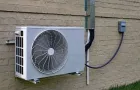
If your home has ductwork challenges or you want maximum flexibility, ductless mini-splits offer the most precise zone control available.
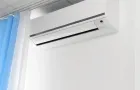
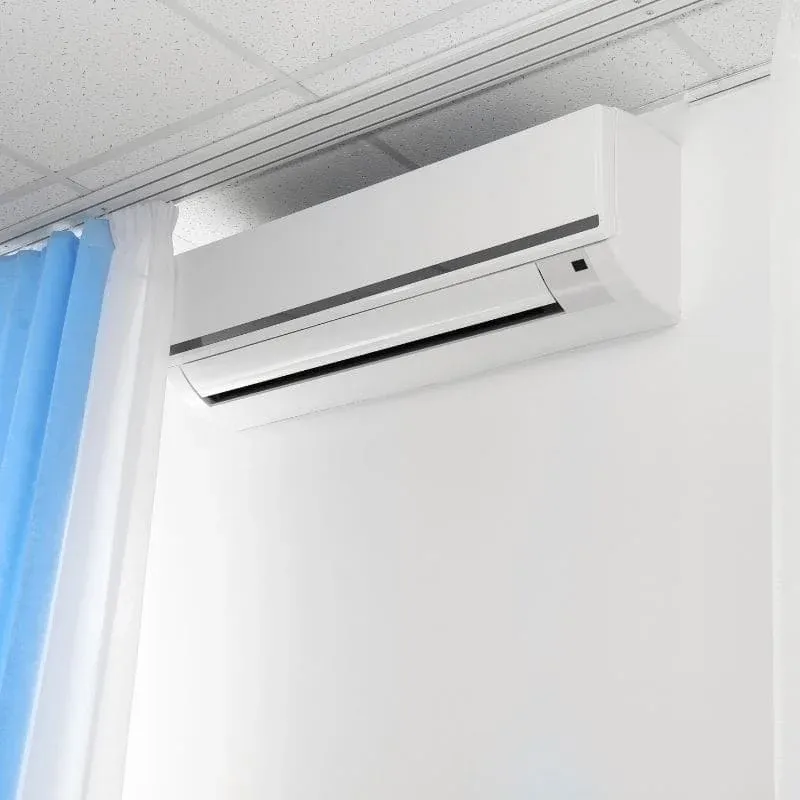
Each indoor unit operates independently with its own remote control or thermostat. You can install one in your upstairs master bedroom, another in a bonus room, and create truly customized comfort zones without modifying your existing ductwork.
According to ENERGY STAR data, mini-split systems use up to 60% less energy than standard electric resistance heating. Many current models exceed 30 SEER ratings, which translates to exceptional efficiency because there are no ducts to leak air and variable-speed compressors adjust precisely to your needs.
We often recommend mini-splits for homes in Sammamish, Issaquah, and Woodinville where additions or second floors were added after the original HVAC installation. They’re also ideal for older homes that never had central ductwork.
You can use mini-splits as your entire HVAC services in Seattle solution or as a supplement to your existing furnace and AC system.
System Upgrades and Replacements
Sometimes the furnace or AC itself is the limitation. Older single-stage systems run at full blast or not at all, which creates temperature swings.
Variable-speed furnaces and multi-stage air conditioners adjust their output gradually, running longer at lower speeds to maintain even temperatures across floors. This approach works better for multi-story homes because the system can fine-tune airflow instead of blasting conditioned air and then shutting off.
If your current equipment is more than 15 years old and you’re experiencing comfort issues, replacement might make sense. Since January 2026, federal regulations require all new residential AC units, heat pumps, and mini-splits to use refrigerants with a global warming potential (GWP) below 700. This includes options like R-454B or R-32, which work with higher-efficiency equipment designs.
These newer systems often provide better temperature balance as a side benefit of their improved technology.
Smart Thermostats with Remote Sensors
Adding a smart thermostat with remote sensors can help existing systems perform better. Place sensors upstairs and downstairs, and the thermostat averages the readings to make smarter heating and cooling decisions.
This approach reduces overcorrections where the system runs too long trying to satisfy one location while overshooting comfort in another. It’s not a complete fix for severe imbalances, but it helps smooth out minor differences.
What the 2026 Refrigerant Rules Mean for You
If you’re considering system replacement or adding mini-splits this year, you should know about recent regulatory changes.
As of January 2026, the EPA prohibits installation of new residential systems using high-GWP refrigerants like R-410A. All new central air conditioners, heat pumps, and ductless mini-splits must use refrigerants with GWP below 700.
Systems manufactured or imported before 2025 can still be installed if available, but moving forward, you’ll get equipment using more efficient refrigerants like R-454B or R-32. Repairs on your existing system with older refrigerants remain allowed.
These rules push the industry toward better efficiency, which can help with temperature balance when you upgrade. Washington state’s energy code also encourages high-efficiency options through various credits and requirements.
At Essential Heating and Air, we stay current with these regulations to help homeowners in Des Moines, Lakewood, and Lynnwood choose compliant systems that deliver better long-term performance.
The Energy Savings Side of Solving This Problem
Fixing uneven temperatures doesn’t just improve comfort. It typically reduces your energy bills too.
Zoned systems reduce heating costs by up to 30% because you’re not wasting energy conditioning empty spaces. If no one is upstairs during the day, why heat or cool it?
Ductless mini-splits can be 30-40% more efficient than traditional central systems, primarily because they eliminate duct losses entirely and use variable-speed technology that runs more efficiently at partial loads.
Even simpler fixes like duct sealing recover lost conditioned air and help your existing system work less hard to maintain comfort.
When we help homeowners throughout Burien, Covington, and Enumclaw solve temperature imbalances, lower utility bills often follow as a welcome side effect.
Don’t Try to Fix This Yourself
We understand the temptation to adjust vents, tape ducts, or add portable heaters as quick fixes. Sometimes these help temporarily, but they usually don’t address the underlying issues.
Professional assessment identifies the specific combination of factors affecting your home. What works for a house in Tacoma with poor attic insulation might be completely different from what helps a home in Redmond with undersized ductwork.
At Essential Heating and Air, we evaluate your entire system, check insulation, inspect ductwork, and measure airflow before recommending solutions. This approach gets you to the right fix faster instead of guessing and spending money on things that don’t help.
Get Comfortable in Every Room
Your home should feel comfortable on every floor, in every season. When upstairs stays hot and downstairs stays cold, or vice versa, it’s usually a solvable problem once you know what’s causing it.
Whether your home needs duct balancing, a zoning system, ductless mini-splits, or a full system upgrade, the solution depends on your specific situation. Professional evaluation gives you a clear path forward.
Ready to stop fighting with your thermostat? Essential Heating and Air provides professional heating and cooling services in Auburn, WA and throughout the Seattle area, helping homeowners improve comfort and energy efficiency year-round. We’ll assess your home’s specific needs and recommend the right solution for your situation.
Contact Essential Heating and Air to schedule an evaluation and find out what’s causing your temperature imbalances.
Frequently Asked Questions
Why is my upstairs so much hotter than downstairs in summer?
Hot air rises naturally due to the stack effect, and your AC has to work against this physics principle. Upper floors also receive more direct sun exposure and heat from your attic. If you have a single thermostat downstairs, your system may shut off before adequately cooling the upper level.
Can closing downstairs vents force more air upstairs?
This seems logical, but it often backfires. Closing too many vents increases pressure in your ductwork, which can reduce overall system efficiency and strain your furnace or AC. Professional airflow balancing adjusts dampers correctly without creating system problems.
Will a bigger AC or furnace solve uneven temperatures?
Usually not. Oversized equipment cycles on and off too quickly, which creates comfort swings and reduces efficiency. The problem is typically distribution and zoning, not system size. A properly sized system with better airflow management performs better than an oversized one.
How much does a zoning system cost compared to mini-splits?
Costs vary significantly based on your home’s layout and existing ductwork condition. Zoning systems require motorized dampers, additional thermostats, and sometimes duct modifications. Mini-splits require new indoor and outdoor units but no ductwork changes. A professional assessment can compare options specific to your situation.
Are mini-splits good for heating in Seattle’s climate?
Yes. Modern cold-climate mini-splits work efficiently down to temperatures well below what Seattle typically experiences. Many homeowners in western Washington use them as primary heating sources. ENERGY STAR-certified models provide efficient heating and cooling year-round.
What’s the first step if I’m experiencing this problem?
Schedule a professional HVAC assessment. A qualified technician from Essential Heating and Air can evaluate your insulation, ductwork, equipment, and airflow to identify the specific causes in your home. This gives you a clear diagnosis before spending money on potential solutions.