
How Often Should You Replace Your HVAC Air Filter? | Home Maintenance Guide
How Often Should You Replace Your HVAC Air Filter? | Home Maintenance Guide
Keeping your HVAC system in good condition often comes down to one simple habit that many homeowners tend to overlook. Replace the air filter on time. It is a small task, but it plays a big role in how comfortable your home feels, how clean your indoor air is, and how efficiently your system runs throughout the year. The air filter works quietly in the background every day, trapping dust, dirt, pollen, pet hair, and other particles before they circulate through your home or build up inside the system.
When the filter is clean, air flows smoothly, and the HVAC system does its job without extra effort. When it is dirty, airflow becomes restricted, the system works harder, and indoor air quality can drop without you noticing right away. This is why understanding how often to replace it is so important for any homeowner.
General Timeline for Replacing an Air Filter
For most homes, the air filter should be replaced every one to three months. This is a general guideline because every household is different. Some homes run their HVAC system almost all day, especially during extreme heat or cold, while others only use it occasionally. The more the system runs, the faster the filter collects dust and debris.
A one month replacement schedule is often ideal for homes with heavy usage or higher indoor activity, especially for households that follow HVAC service in Auburn WA recommendations. A two to three month cycle may work for lighter usage, but it is still important to check the filter regularly instead of relying only on time. Even if a filter has not reached the end of its expected lifespan, it may still become dirty faster depending on conditions inside the home.
How Your Home Environment Affects Filter Life
Every home has different factors that influence how quickly an air filter becomes dirty. One of the biggest factors is whether pets live in the home. Dogs and cats shed hair and dander that quickly collect in the filter. Even small pets contribute to the buildup over time, and in homes with multiple pets, filters often need changing more frequently than expected.
Dust levels inside and outside the home also make a difference. Homes near busy roads, construction areas, or dry environments tend to pull in more airborne particles. Everyday activities like cleaning, cooking, and opening windows can also increase how quickly the filter fills up.
The number of people living in the home matters too. More people usually means more movement, more fabric particles, and more dust being stirred into the air. All of this eventually ends up trapped in the filter.
Signs That Your Air Filter Needs Replacing
Even without following a strict schedule, your HVAC system often shows signs when the air filter needs attention. One of the most common signs is reduced airflow from vents. If the air feels weaker than usual, it may be because the filter is clogged and blocking movement.
Another sign is increased dust around the home. If surfaces seem to get dusty faster than normal, the filter may not be trapping particles effectively anymore. You may also notice the system running longer than usual to reach the set temperature, which often indicates restricted airflow. Some homeowners also notice uneven temperatures in different rooms. When air is not circulating properly, certain areas may feel warmer or cooler than others.
Types of Air Filters and Their Lifespan
The type of air filter used in your HVAC system also affects how often it should be replaced. Basic fiberglass filters are the most affordable option, but they capture fewer particles and usually need to be replaced more often, often every month.
Pleated filters are more common in residential systems because they capture smaller particles and generally last longer. Depending on usage, they may last between one and three months.
Higher efficiency filters can trap even finer particles, but they can also fill up more quickly in homes with pets, dust, or heavy system use. Regardless of filter type, regular checking is still important because no filter lasts indefinitely.
What Happens When You Do Not Replace the Filter
Skipping air filter changes can lead to several problems over time. When the filter becomes clogged, the HVAC system has to work harder to move air through it. This extra strain can increase energy usage and lead to higher utility bills.
Restricted airflow can also affect system performance. The HVAC unit may struggle to maintain consistent temperatures, and some parts of the system may wear out faster due to added stress. Over time, this can lead to more frequent repairs or a shorter system lifespan.
Indoor air quality is also affected. A dirty filter cannot trap dust and allergens effectively, so they continue circulating through the home. This can make the air feel heavier and less comfortable, especially for anyone sensitive to dust or pollen.
How to Check Your Air Filter
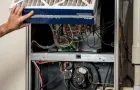
Checking your air filter is a simple task that only takes a few minutes. Most filters are located in a return vent or inside the HVAC system. Once the system is turned off, the filter can be removed easily.
A quick way to check its condition is to hold it up to a light source. If light passes through easily, it may still be usable. If it looks dark, gray, or heavily covered in dust, it is time to replace it. Replacing the filter is usually straightforward. The new filter should be placed in the same direction as the old one, following the airflow arrows on the frame.
Simple Habits That Help Extend HVAC Performance
While replacing the air filter is the most important step, a few simple habits can also help improve overall HVAC performance. Keeping vents clear of furniture or curtains allows air to move freely throughout the home. Closed doors and windows while the system is running can help reduce the amount of outdoor dust entering the space.
Regular cleaning around vents and return air grills can also reduce buildup that eventually reaches the filter. Setting a reminder on your phone or calendar can help you stay consistent with filter checks, especially in busy households.
Knowing how often to replace your air filter is one of the easiest ways to keep your HVAC system running smoothly. While the general guideline is every one to three months, the right timing depends on your home environment, system usage, and indoor air needs.
Staying consistent with this simple maintenance task helps improve indoor air quality, supports better system efficiency, and reduces unnecessary strain on your HVAC system. It is a small step that makes a noticeable difference in everyday comfort and long-term performance, without requiring much time or effort.
For information, visit this website: https://www.essentialheatandac.com/